
What to do in Athens in August in 2026?
Things to do in Athens in August come down to one rule: avoid the midday sun. Travellers take the Acropolis at 08:00, hide in a cool museum or on a Riviera beach for the worst hours, and resurface for rooftops, a long dinner in Plaka, and an Athens Epidaurus Festival show under open sky.
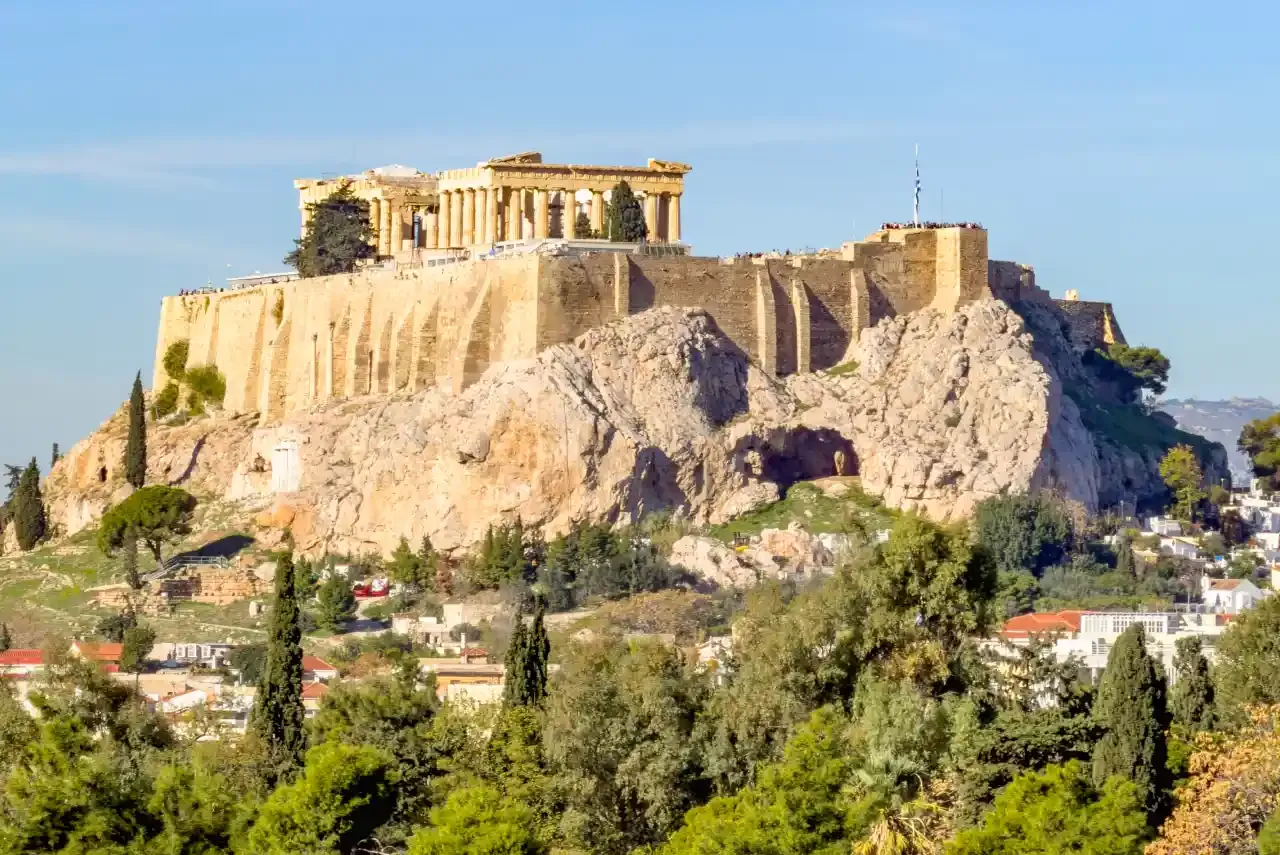
In Athens, mornings belong entirely to the ancient ruins. The Acropolis opens its gates at 08:00, granting you a magical, ninety-minute golden window. During this time, the marble approach is beautifully cool, the early light is soft, and the notorious queues have yet to form. Make the most of it, because by 11:00, the rocky hilltop turns into an absolute furnace, and that is no overstatement! Keep a steady pace, and you can marvel at the Parthenon, the Erechtheion, and the Theatre of Dionysus just in time to take a quick, three-minute stroll downhill to the Acropolis Museum. Waiting for you inside are the magnificent original Caryatids, the stunning Parthenon frieze, and some seriously effective air conditioning.
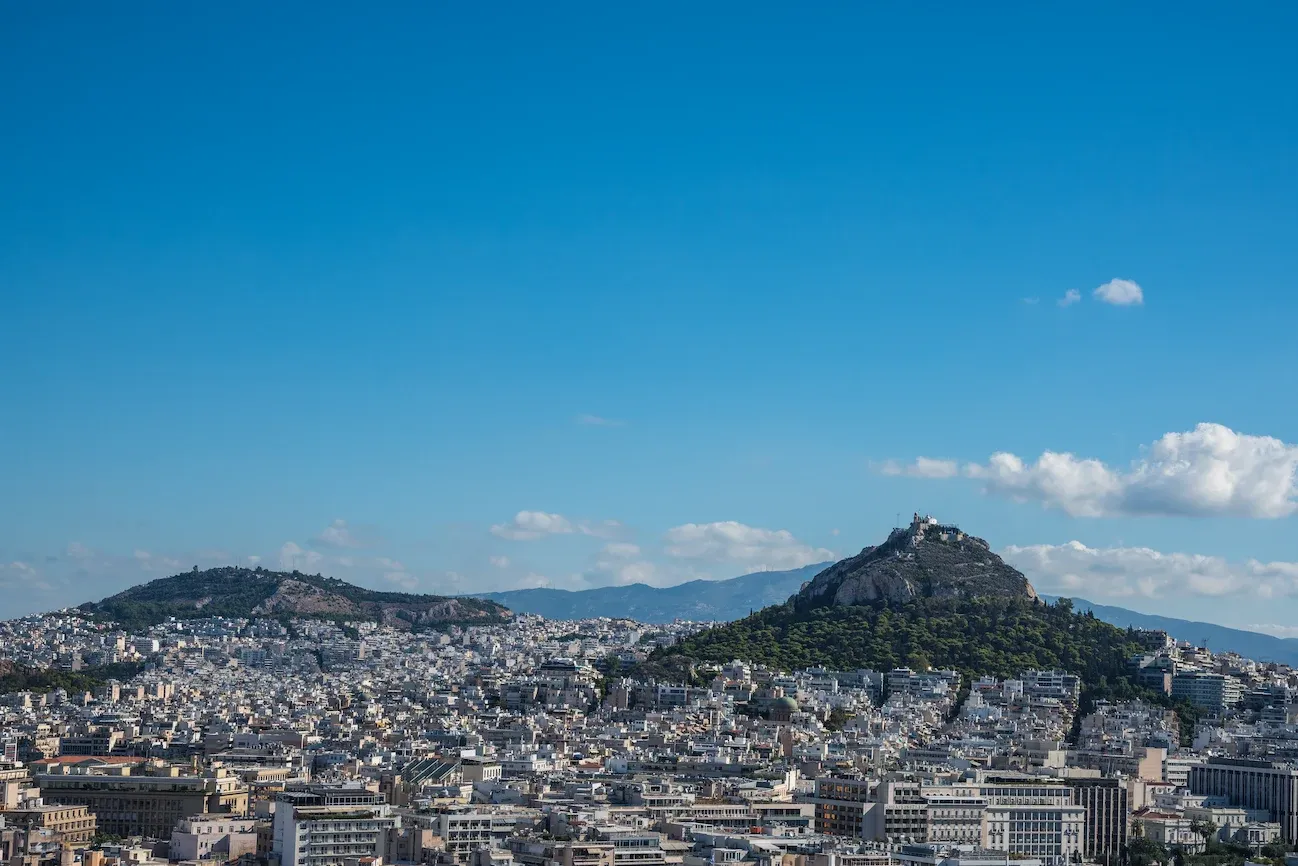
Then it's lunch in shade. The National Archaeological Museum, a short metro ride from the centre, fills the longest midday slot. The opposite-direction option works just as well. When deciding what to do in Athens to escape the heat, the tram south to Glyfada on the Athens Riviera puts coastal swims at Vouliagmeni and Lake Vouliagmeni inside reach, and the water stays good until early evening. Plaka and the Anafiotika quarter beneath the Acropolis hold the narrowest streets and the most shade in central Athens. Find a courtyard.
The city takes a midday breather, only to wake up again in the late afternoon. By 19:00, cocktail hour kicks off. The stylish bars lining Areopagitou Street and buzzing around Monastiraki offer perfect, Acropolis-eye-level views to start your evening. Keep an eye on the clock, as the sun drops a little earlier each week throughout the month—shifting from roughly 20:45 on August 1st down to 19:55 by August 31st. Looking for the ultimate sunset excursion? Drive ninety minutes south of the city to Cape Sounion, where the spectacular Temple of Poseidon catches those exact same golden rays from a dramatic cliff perched high above the Aegean Sea.
After dark, the cultural scene takes center stage. With the Odeon of Herodes Atticus closed for restoration since summer 2026, the Athens Epidaurus Festival's open-air evenings in August centre on the magnificent ancient theater of Epidaurus in the Peloponnese. There, weekend evenings are filled with operas, ancient tragedies, and contemporary dance all through August. On your off-nights, embrace the local love for outdoor cinema. Head over to Cine Thission, tucked along a pedestrian street right under the Acropolis, where you can watch classic films with the illuminated Parthenon serving as your breathtaking backdrop. Finally, if your timing is right, the midsummer August full moon triggers a spectacular, once-a-year event: dozens of archaeological sites across Greece open their gates for free after-dark entry, often echoing with live music within their ancient walls.
How is the weather in Athens in August?
Athens runs unapologetically hot and dry straight through August. You can expect daytime highs to sit between 32°C and 36°C during an average week, with intense heatwaves occasionally pushing the mercury past a blistering 38°C. The warmth lingers long after sunset, leaving nights balmy at 22°C to 25°C, and rain is practically unheard of this time of year. From 11:00 to 18:00, the direct sun beats down relentlessly, and when you’re standing on the Acropolis, the ancient marble paving acts like a mirror, throwing extra heat right back at you into the afternoon.
Because of this, the secret to mastering Athens in August is to split your day in two. Reserve your outdoor sightseeing for the cooler windows before 11:00 or after 18:00. The midday stretch is your perfect excuse to retreat to air-conditioned museums, enjoy long indoor lunches, lounge by hotel pools, or relax in shaded courtyards. A quick heads-up: once or twice a summer, a Saharan dust event might drift north, reducing visibility across the basin for a day or two.
What happens in Athens on August 15?
Mark your calendars: August 15 is Assumption Day. Marking the Dormition of the Virgin Mary, known locally as Dekapentavgoustos or Koimisi tis Theotokou, this Greek public holiday is massive. In the Orthodox calendar, only Easter outranks it. To celebrate, a huge number of Athenians leave the city to visit their family villages or escape to the islands, leaving residential neighborhoods feeling delightfully empty through the second week of August.
If you're worried about your itinerary, don't be. The heavy hitters stay open! You can still visit the Acropolis, the Acropolis Museum, the National Archaeological Museum, the Ancient Agora, and the Temple of Olympian Zeus on their regular August schedules.
Here is what changes during the holiday:
- What Closes: The smaller, local spots. Corner shops, family-run tavernas, and neighborhood bakeries in residential streets usually shut down for a few days.
- What Stays Open: The tourist core is ready for you. Restaurants in the main hubs, hotel terraces, and almost all of Plaka operate as usual.
If you are looking for the holiday's largest religious procession, you'll actually find it on the island of Tinos, not in the capital. However, within Athens, you can witness beautifully attended services at the Church of Panagia Chrysospiliotissa (near the Acropolis) and at the grand cathedral on Mitropoleos Square.
Easy day trips from Athens in August?
The August day trips that work best end at the water or after sunset. Cape Sounion and the Temple of Poseidon sit at the southern tip of Attica, ninety minutes to two hours by KTEL coach from central Athens, since Athens Riviera traffic stacks up through August afternoons. Aim for the last two hours of daylight. The headland walk gets done in cooler air, and sunset over the Aegean lands from the temple steps.
Aegina is the easiest island swim from the capital. The high-speed ferry from Piraeus reaches Aegina town in about forty minutes; the conventional one in around seventy-five. A morning departure leaves time for the Temple of Aphaia, lunch at the harbour, and an unhurried beach afternoon before the early evening sailing home. Hydra and Poros sit a little further along the same Saronic line, both worked by Hellenic Seaways and Aegean Flying Dolphins.
Half a day, and a swim. Lake Vouliagmeni sits below limestone cliffs at the southern end of the Athens Riviera, with thermal saltwater warm enough to swim long after dark. The tram from Syntagma takes 45 to 60 minutes to its coastal terminus at Voula, and a bus or taxi covers the last stretch to the lake. A taxi straight from central Athens runs 30 to 40 minutes in light traffic. Epidaurus closes the week strongest. On Friday and Saturday evenings through August, the ancient theatre hosts an Athens Epidaurus Festival production, and the festival has traditionally run organised coaches from Athens to the site for a single late-night return.