Ancient Agora Tickets
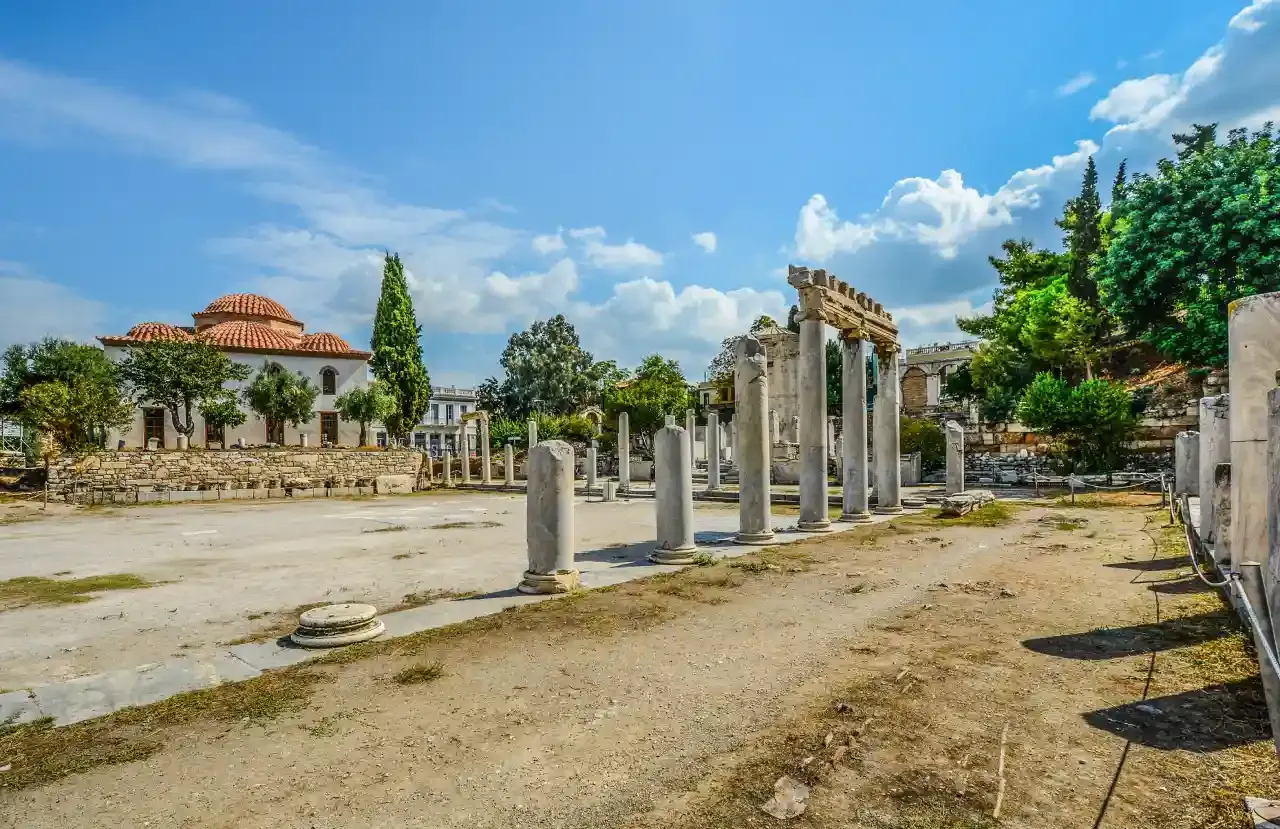
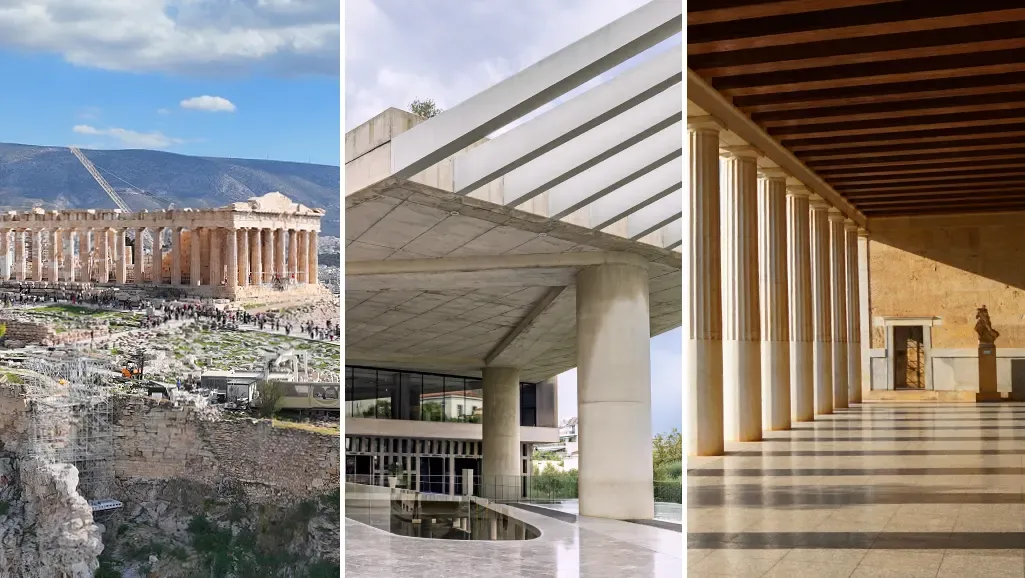
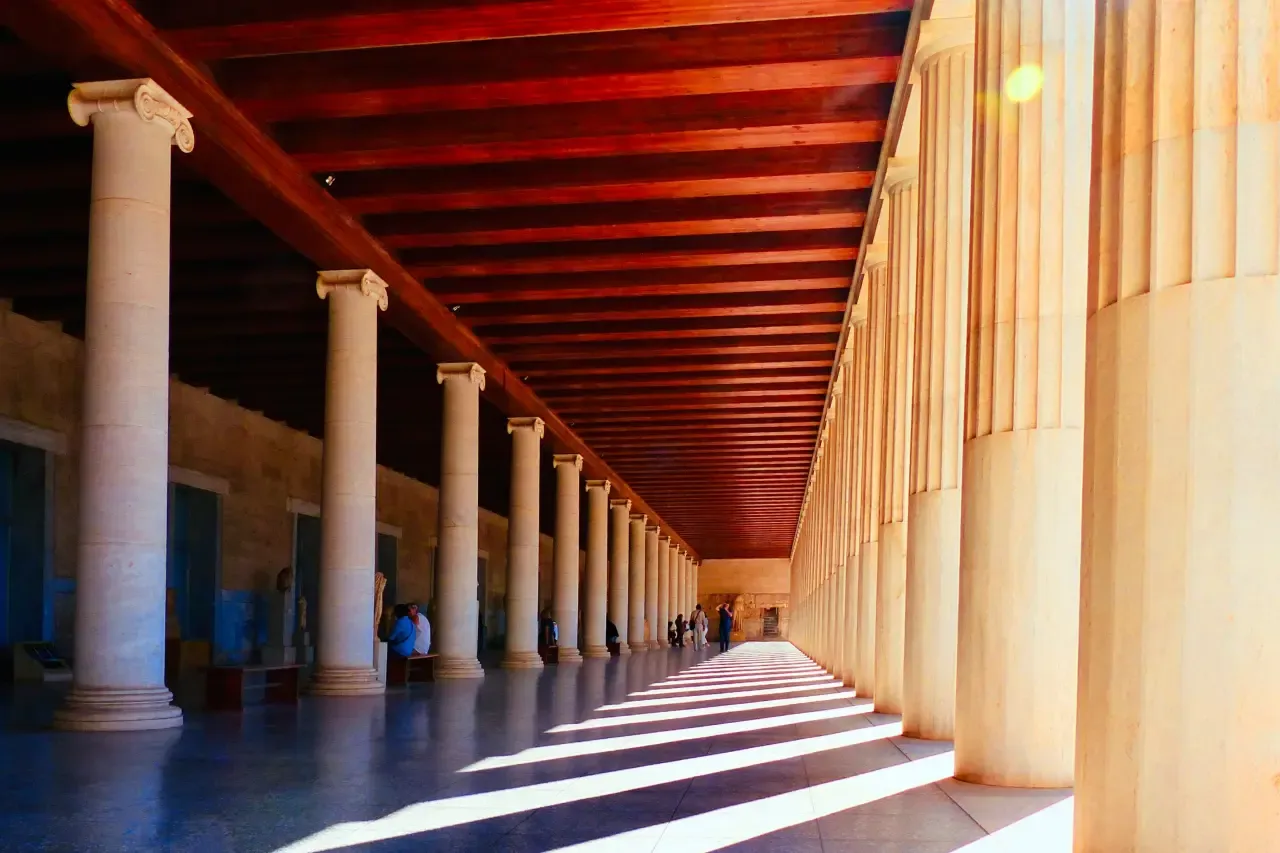
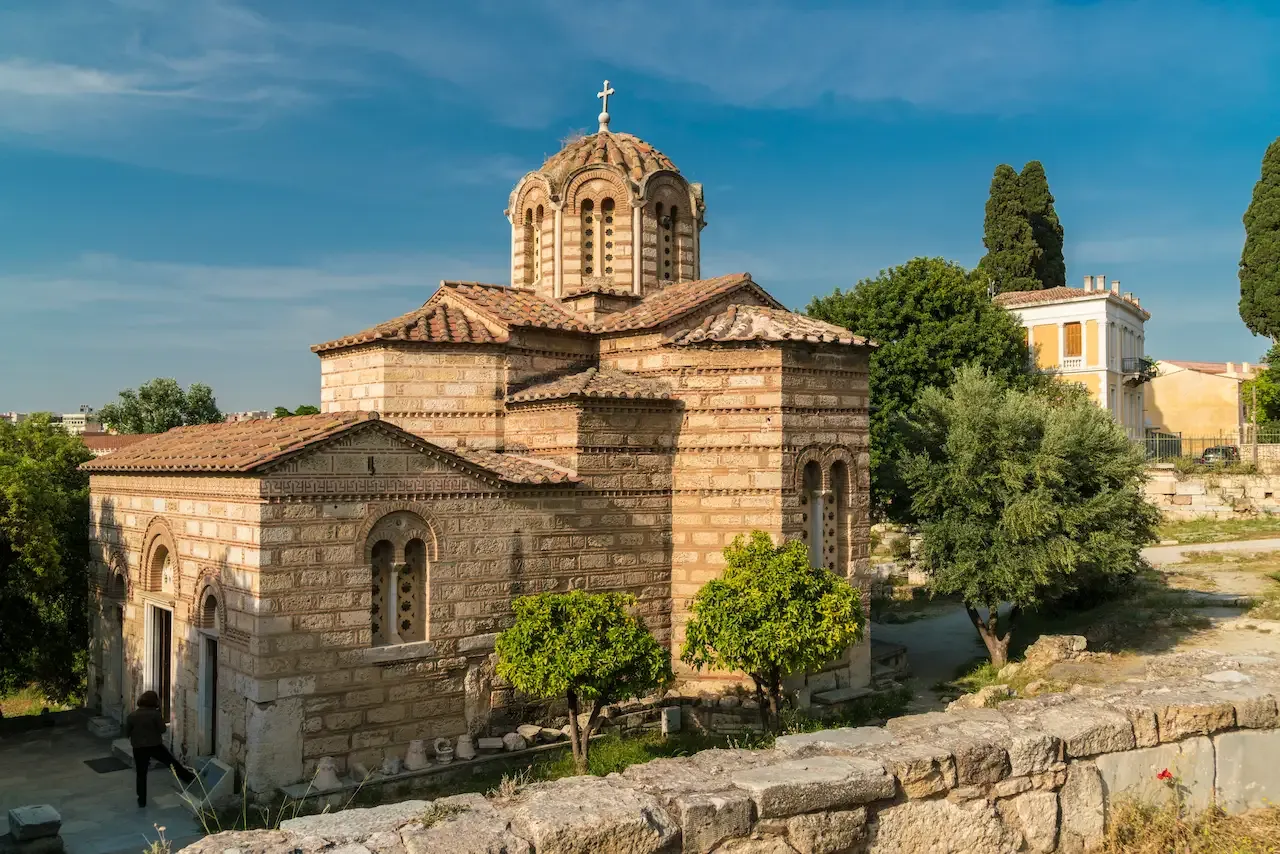
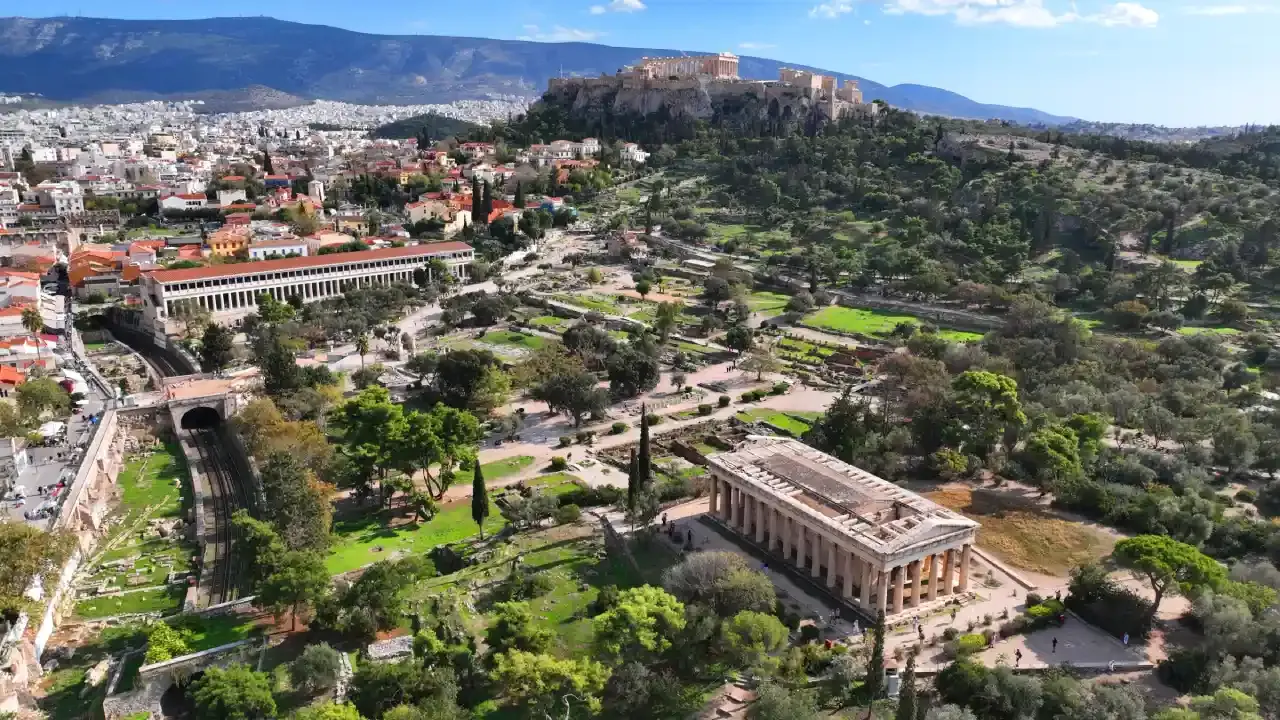
The Ancient Agora of Athens was the civic and commercial heart of the classical city, the open square where Socrates, Pericles and Demosthenes shaped Athenian democracy. A standard entry ticket opens the full archaeological park, including the Temple of Hephaestus, the reconstructed Stoa of Attalos and every monument along the Panathenaic Way. Since 1 November 2025 the exhibition on the floor of the Stoa of Attalos and the Byzantine Church of the Holy Apostles have been closed to the public.
Book your Ancient Agora entry ticket
Must-see attractions near the Ancient Agora
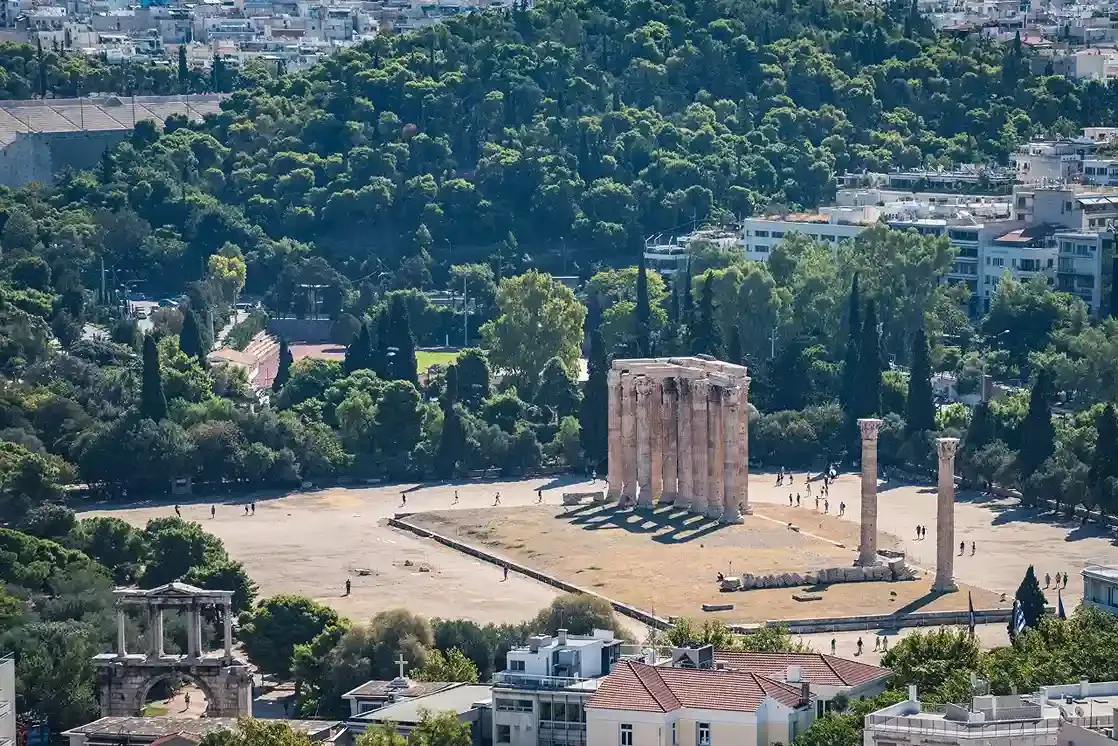
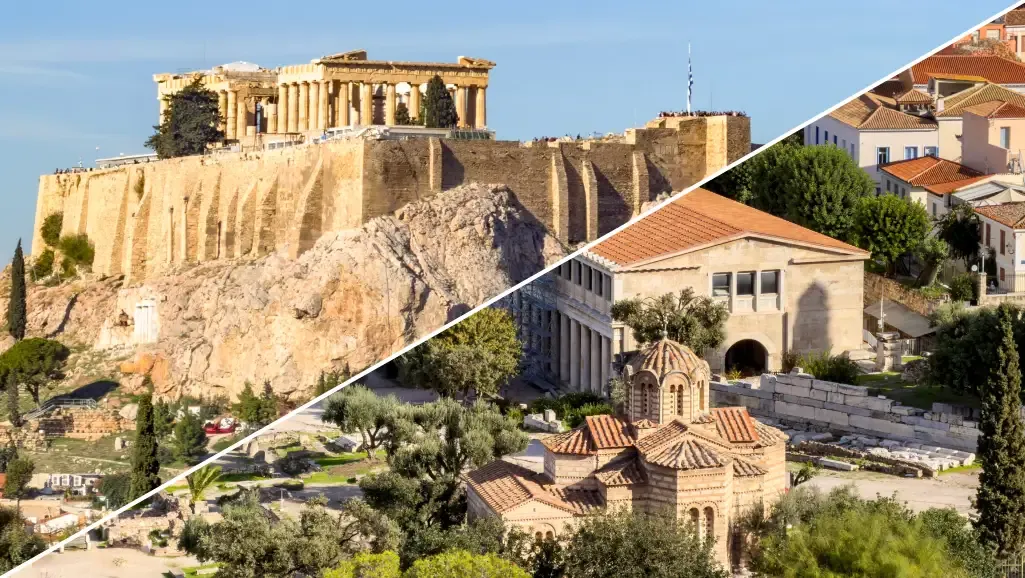
Exploring Greece's rich history is greatly facilitated when purchasing Athens tickets online, ensuring seamless access to the Acropolis, Temple of Zeus, and world-class museums.
What can you see at the Ancient Agora?
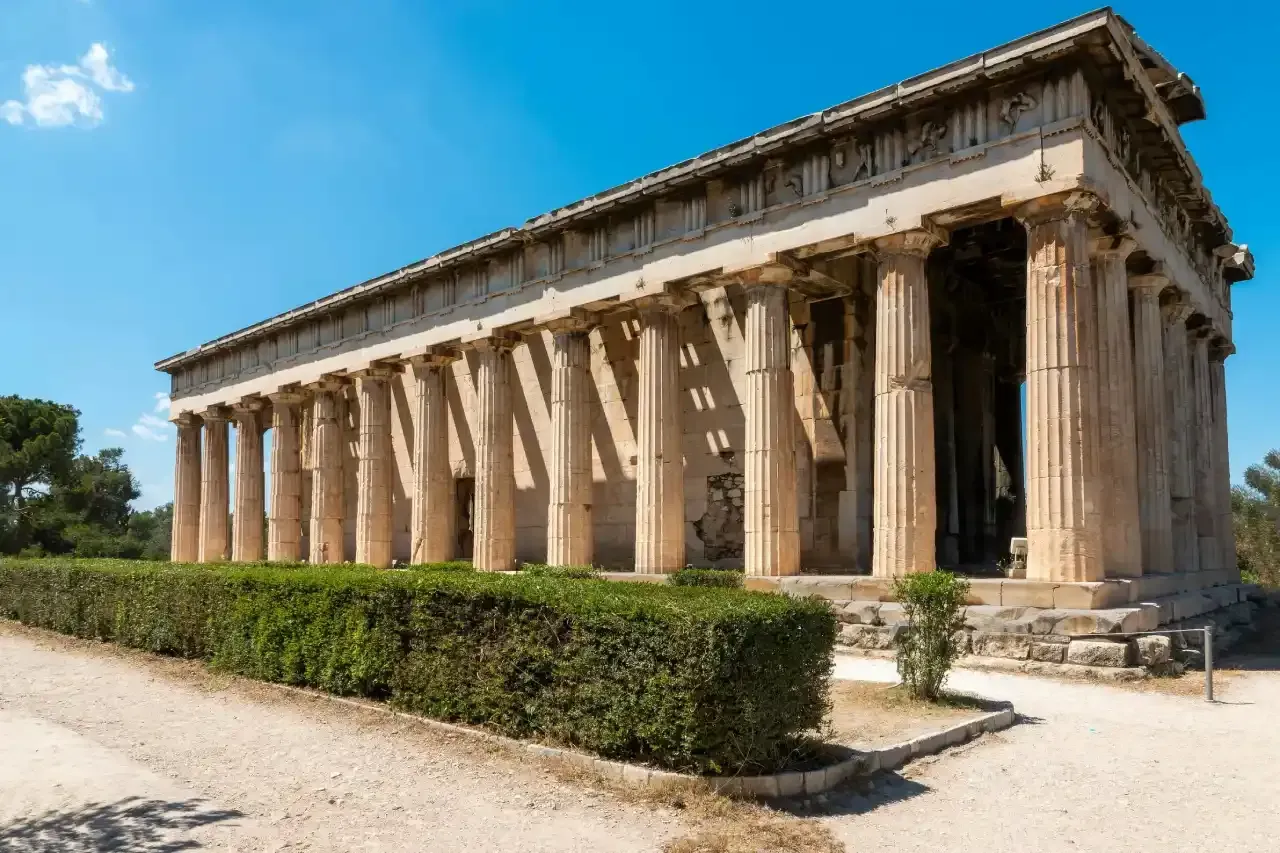
Temple of Hephaestus
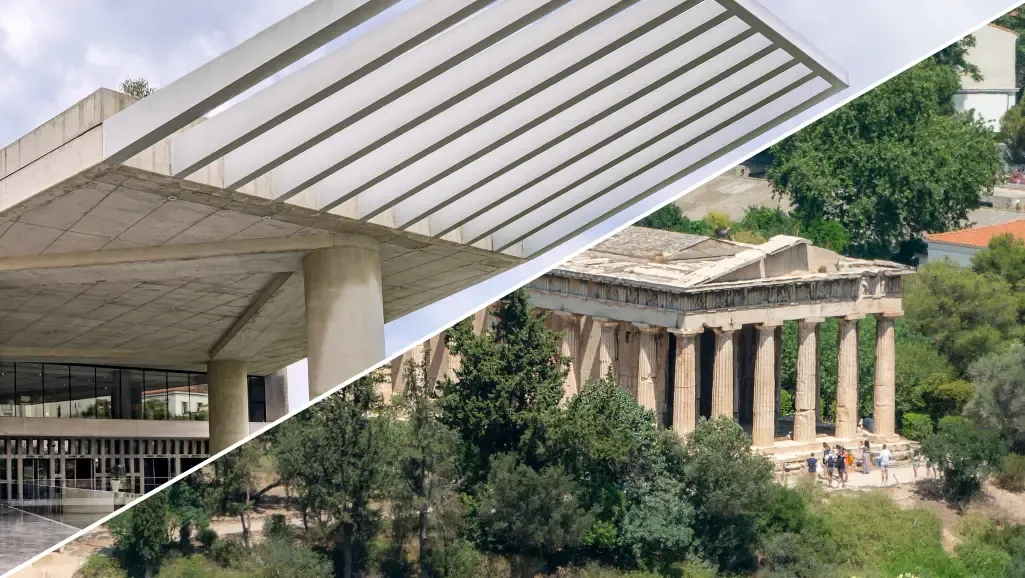
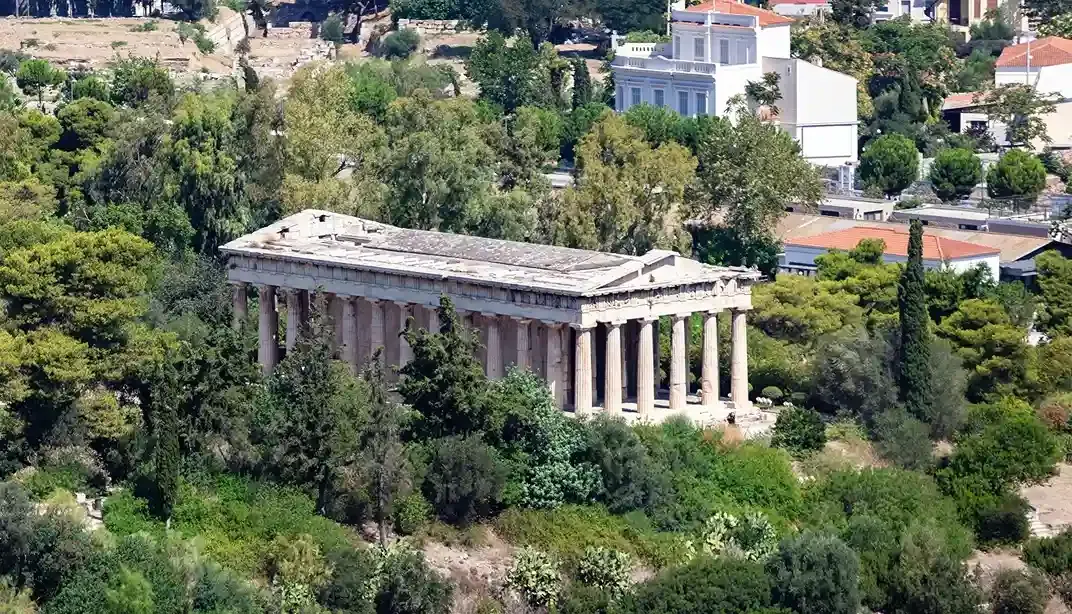
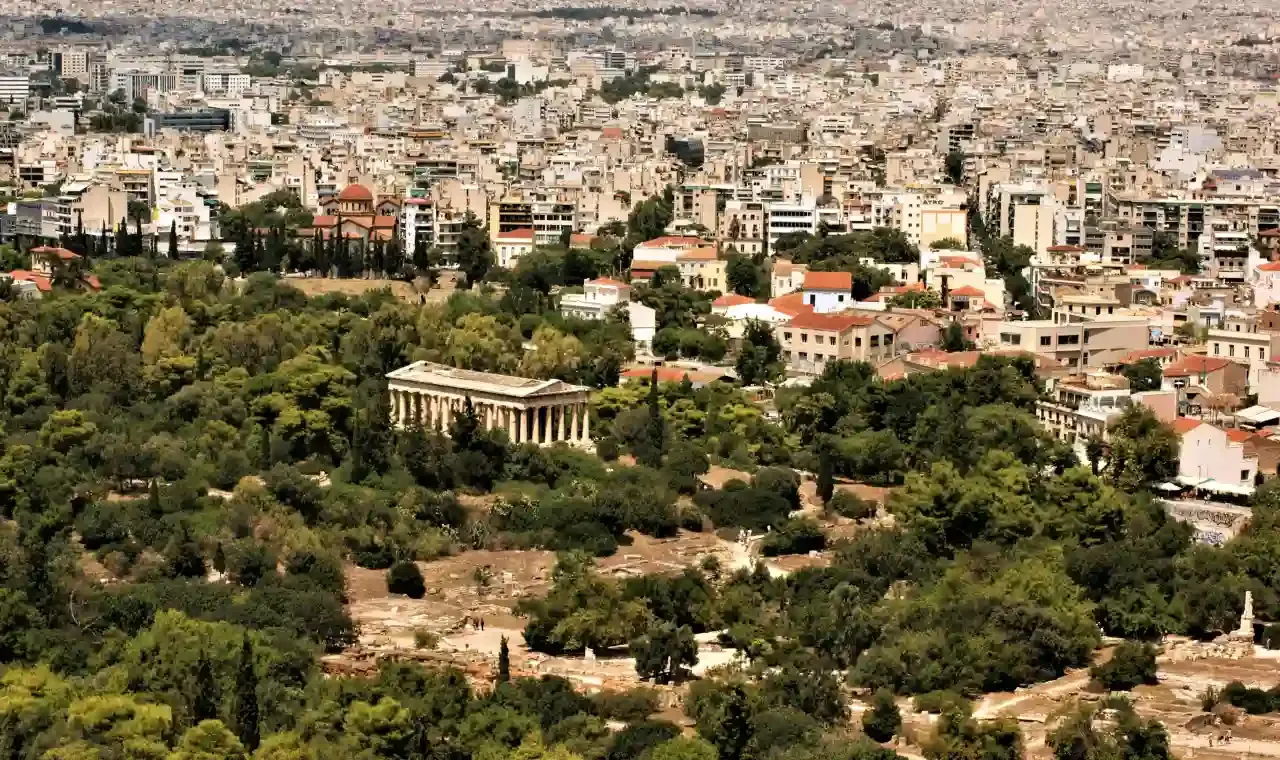
The Temple of Hephaestus, known in antiquity as the Hephaisteion and for centuries misnamed the Theseion, crowns the small hill of Agoraios Kolonos on the western edge of the site. Construction began around 449 BC and continued into the 410s BC, set within Pericles' wider building programme.
It ranks as the best-preserved Doric peripteral temple anywhere in the Greek world, with six columns on its short sides and thirteen on its long sides, all carved from Pentelic marble. Two craft deities were jointly worshipped inside: Hephaestus, patron of metalworkers, and Athena Ergane, patron of potters. From the 7th century until 1834 the temple served as the Greek Orthodox church of Saint George Akamates.
Plan your visit in advance
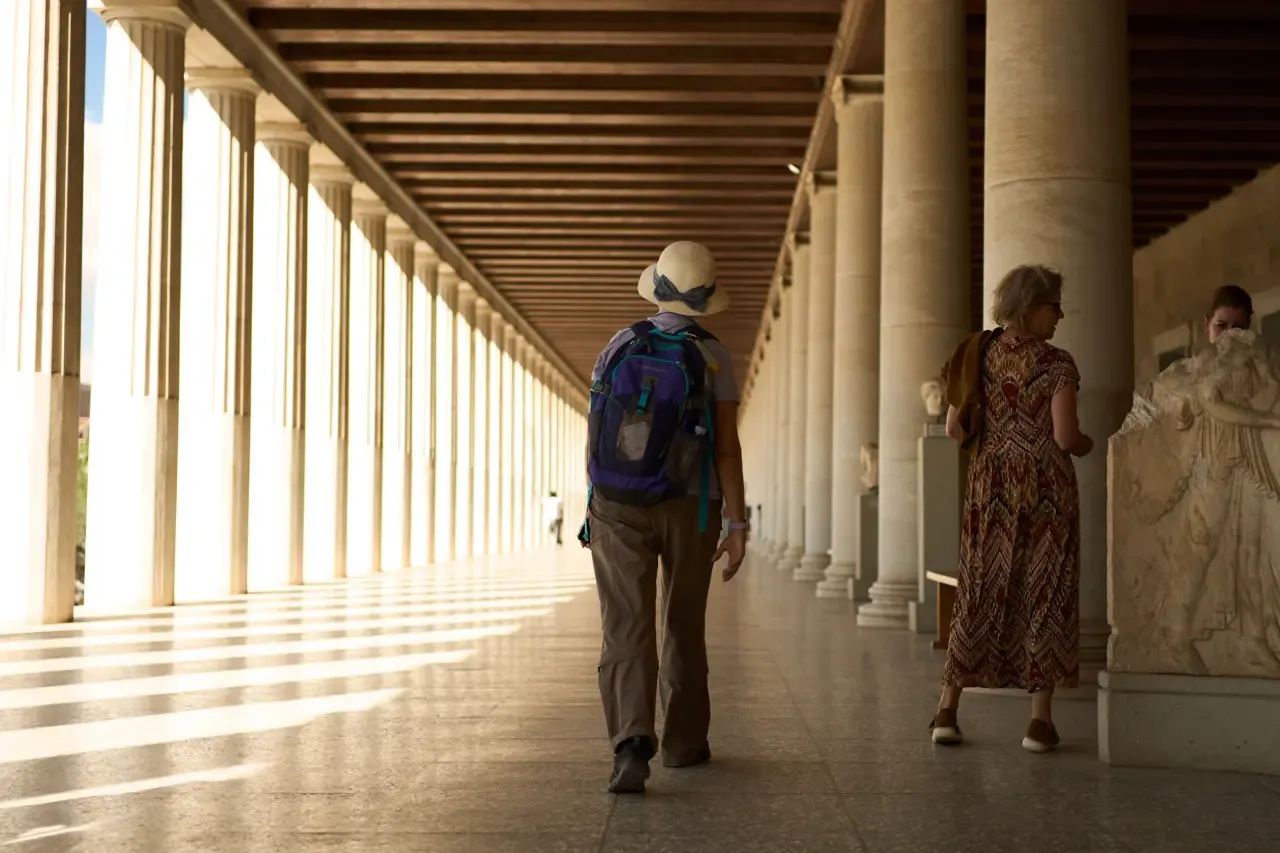
Opening hours
The Ancient Agora opening hours change according to seasonal regulations set by the Ministry of Culture:
- Winter operations run from 08:00 until 16:30, with the final admission at 16:10.
- Summer schedules extend from 08:00 to 19:30, restricting last entry to 19:00.
- Autumn features bi-weekly reductions:
- September 1 to 15 operates from 08:00 to 19:00, shifting to an 18:30 closure until September 30.
- October hours run from 08:00 to 18:00 initially, changing to a 17:30 closure after October 15.
What should you know before visiting Athens' Ancient Agora?
- Weigh the site up before booking: The Agora is an open archaeological park rather than a single monument, and its draw is the Temple of Hephaestus, the rebuilt Stoa of Attalos and the square where classical Athens governed itself. Is the Ancient Agora worth visiting? covers the reasons, the parts of the site that carry them and the queues at the gate.
- Allow ninety minutes to two hours for a thorough visit: Make sure to include the Ancient Agora Museum in Athens inside the Stoa of Attalos. Rushing this museum is the most common regret.
- Wear closed-toe walking shoes with good grip: Sections of the Panathenaic Way are still paved with their original uneven stones, and the climb to the Temple of Hephaestus is gravelled.
- Bring sun protection in summer: The site is open-air with very little shade, and the western hill exposes visitors to direct midday sun.
- Carry water: There are limited refreshment points inside the Ancient Agora, and the cafes cluster outside the gates around Adrianou and Apostolou Pavlou.
- Visit just after opening or in the final two hours before closing to dodge both crowds and the worst of the heat, and to catch the best light on the Temple of Hephaestus.
- Accessibility is partial: The Stoa of Attalos and the museum inside have ramps and accessible restrooms, while large parts of the archaeological park remain uneven.
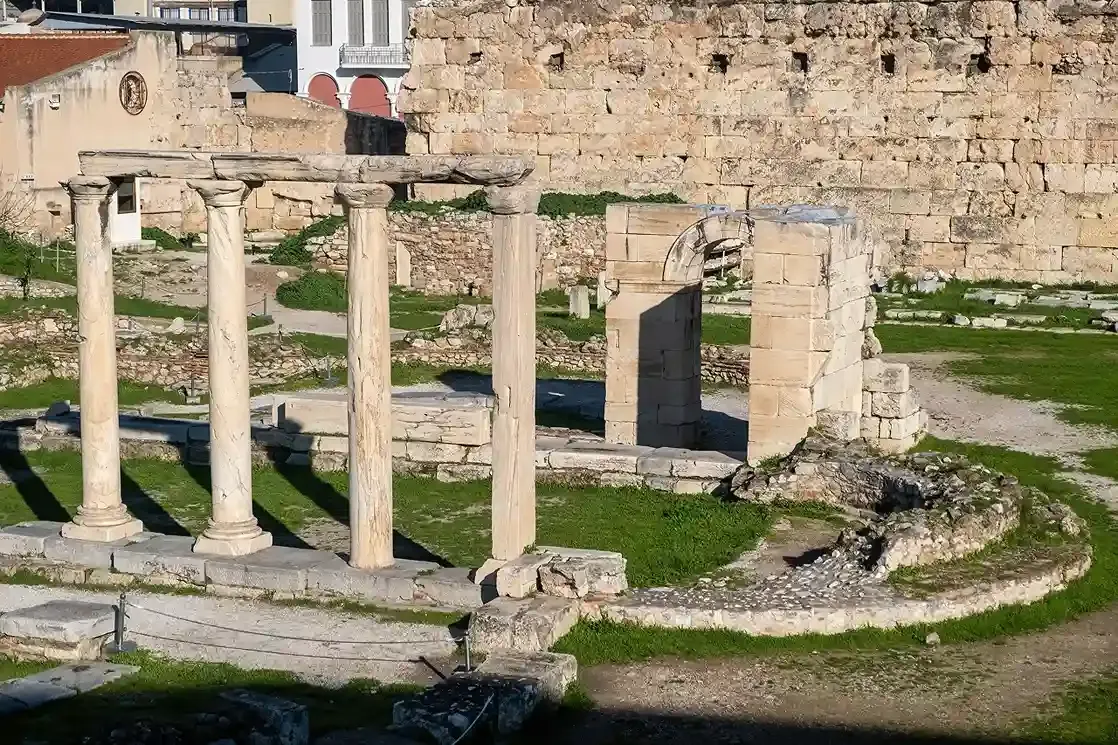
- Don't confuse the Ancient Agora with the Roman Agora: They are two different archaeological sites a few minutes apart, with separate tickets and entrances.
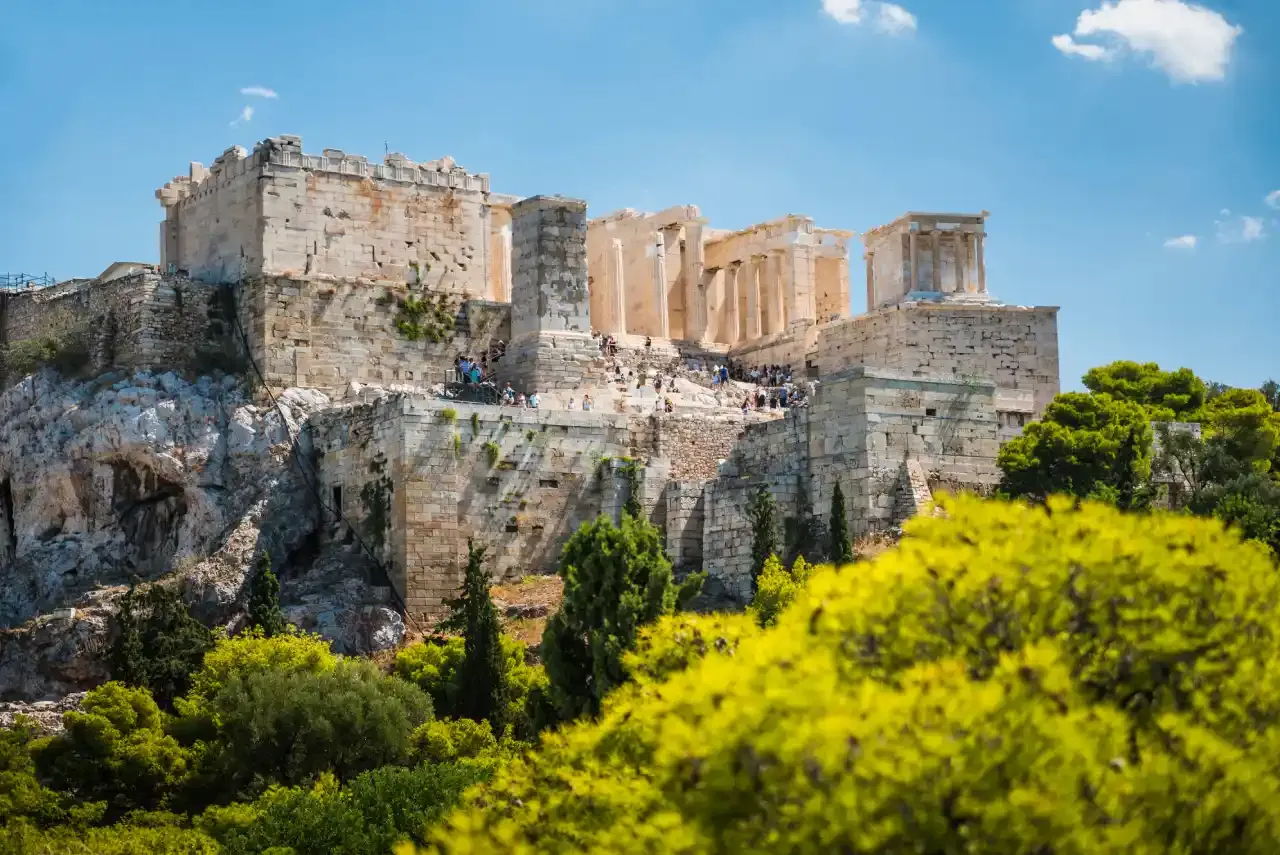
- The Acropolis is a separate ticket: It runs on a fixed entry slot, unlike the Agora, so visitors doing both in one day book each independently and leave at least three hours between them.
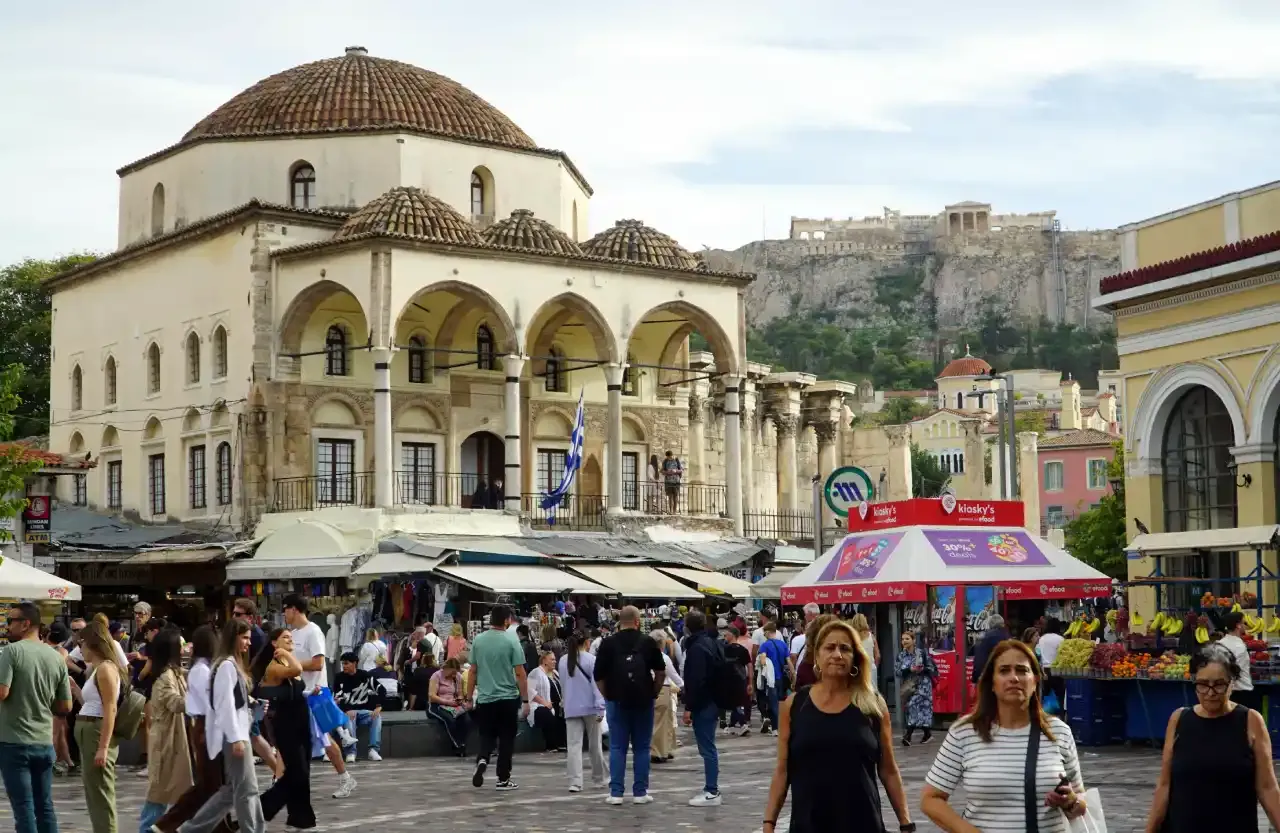
- Pair the visit with Monastiraki, Plaka and the Roman Agora for an easy half-day loop through central Athens on foot.
FAQs about the tickets to the Ancient Agora
Other things to do in Athens near the Ancient Agora
More of Athens' major monuments sit within a short walk of the Ancient Agora: