
Ancient Agora opening hours
The Ancient Agora opening hours vary throughout the year to accommodate seasonal changes in daylight and visitor traffic. This historical site in Athens welcomes global travelers who wish to explore the birthplace of ancient Greek democracy and commerce. Planning a visit requires attention to these operational schedules.
What are the opening hours of Ancient Agora?
The Greek Ministry of Culture regulates the daily operations of the Ancient Agora based on specific calendar periods. During the winter season, the site maintains shorter operating hours, opening doors at 08:00 and closing them at 16:30. The summer season extends these hours considerably, allowing access from 08:00 until 19:30.
Autumn brings bi-weekly reductions in operating times. From September 1 to September 15, the site operates from 08:00 to 19:00. The schedule shifts to an 18:30 closing time for the remainder of September. October continues this downward trend, closing at 18:00 during the first half of the month and at 17:30 during the final two weeks. Ticket windows stop selling entries exactly thirty minutes before the official closing time of the site.
| Period | Operating Hours | Last Entry |
|---|---|---|
| Winter | 08:00 – 16:30 | 16:10 |
| Summer | 08:00 – 19:30 | 19:00 |
| September 1 – 15 | 08:00 – 19:00 | 18:30 |
| September 16 – 30 | 08:00 – 18:30 | 18:00 |
| October 1 – 15 | 08:00 – 18:00 | 17:30 |
| October 16 – 31 | 08:00 – 17:30 | 17:00 |
Closing days and special dates of the Ancient Agora
Closing days and special dates of the Ancient Agora
The archaeological site observes several closures and schedule adjustments throughout the calendar year. Complete closures occur on January 1, March 25, May 1, Easter Sunday, December 25, and December 26. Official regulations mandate these holiday closures across all national monuments. During Holy Week, the site adjusts its operations significantly. On Good Friday, the gates open from 12:00 to 17:00, while Holy Saturday features hours from 08:30 to 15:30.
Conversely, the Ministry of Culture designates specific dates for free public admission. Visitors access the monument without purchasing tickets on March 6 in memory of Melina Mercouri, on April 18 for the International Day for Monuments, and on May 18 for the International Day of Museums. The European Heritage Days, which take place during the final weekend of September, also offer free entry. Finally, October 28 marks the last free admission day of the annual calendar.
Best time to visit the Ancient Agora
Seasonal weather patterns and tourist influx cycles dictate the optimal periods for visiting this archaeological site. The shoulder seasons, specifically spring from April to May and autumn from September to October, offer temperate weather conditions suitable for outdoor exploration. These months present fewer crowds compared to the peak summer season, allowing individuals to examine the ruins at a relaxed pace.
Summer visitors face high temperatures and elevated tourist numbers. Individuals who travel during July and August achieve the best results by arriving at 08:00 when the site opens. Morning hours provide cooler conditions and lower congestion before cruise ship tour groups arrive. Alternatively, the late afternoon period after 17:00 offers softer lighting for photography and a reduction in thermal discomfort. Winter visits between November and March guarantee the lowest crowd density, though shorter daylight hours reduce the available exploration time.
How long does it take to visit the Ancient Agora?
The time required to tour the archaeological complex depends on the visitor's specific interests and physical pacing. Different tourist profiles allocate varying durations to explore the site effectively:
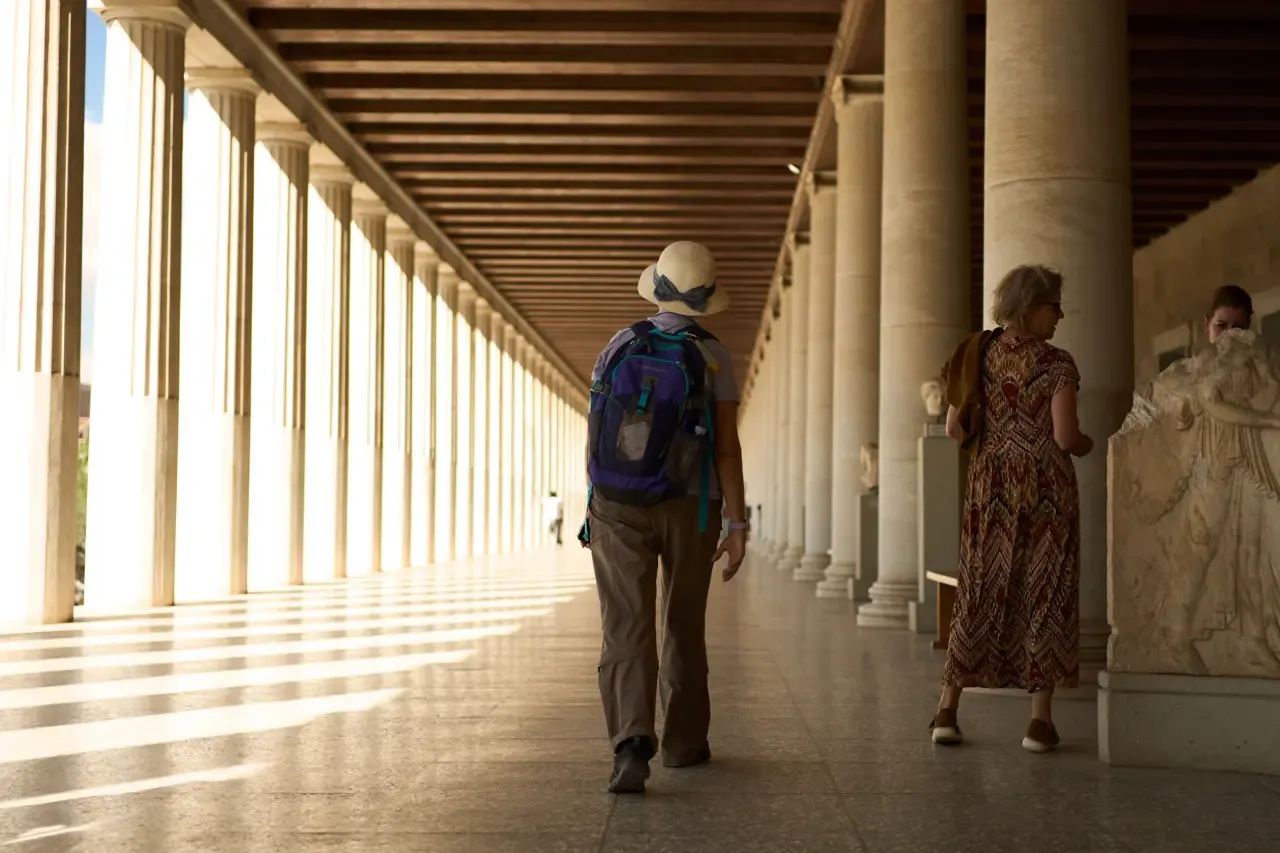
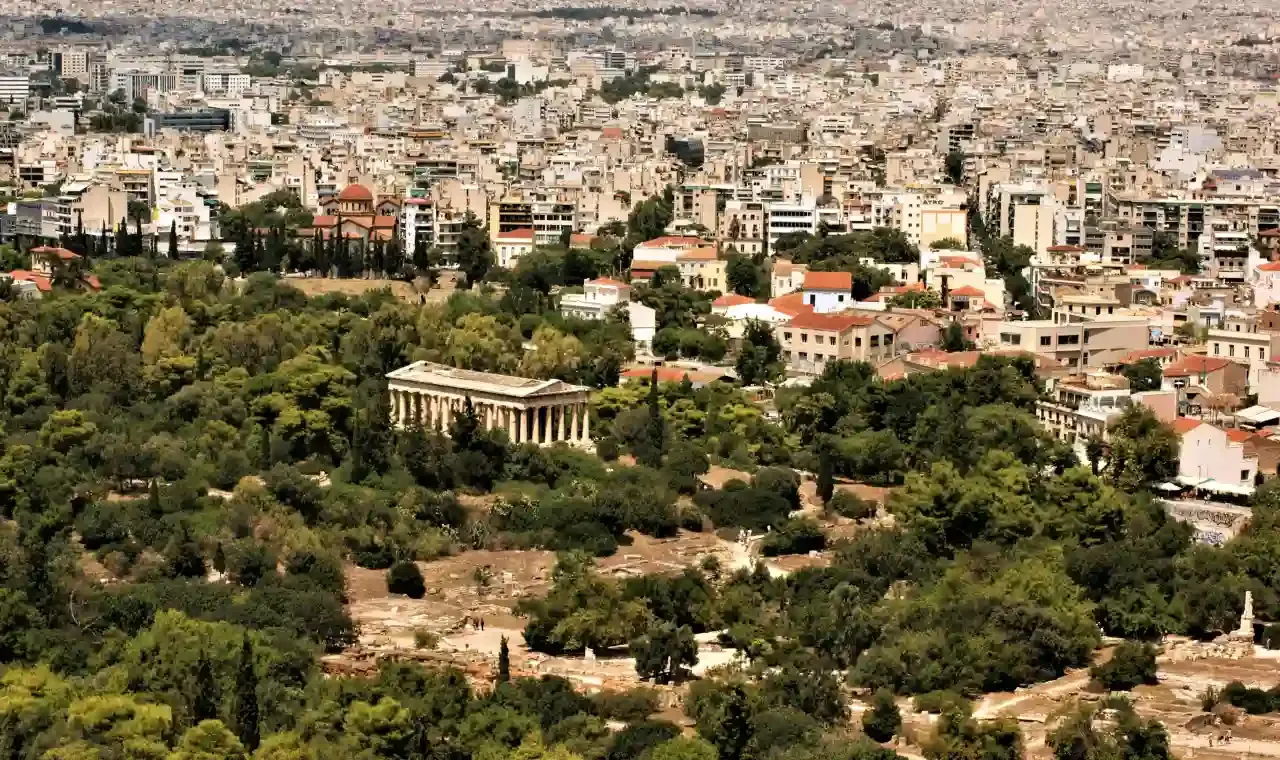
- History enthusiasts: This profile spends approximately 3 to 4 hours on-site. These individuals require extensive time to study the architectural features of the Temple of Hephaestus, read the historical markers, and examine the collection of artifacts within the Stoa of Attalos museum.
- General tourists: Casual visitors usually dedicate 1.5 to 2 hours to the area. This duration covers a walk along the ancient pathways, a brief visit to the museum exhibits, and photography of the primary monuments.
- Families with children: Families typically spend 1.5 to 2 hours exploring the grounds. The outdoor layout permits a flexible pace, though uneven terrain and weather conditions usually dictate the final duration of the visit.
| Tourist Profile | Average Time Investment | Main Activities |
|---|---|---|
| History Enthusiasts | 3 – 4 hours | Detailed ruin exploration, museum study, reading inscriptions |
| General Tourists | 1.5 – 2 hours | Landmark viewing, photography, walking main pathways |
| Families with Children | 1.5 – 2 hours | Flexible walking, outdoor sightseeing, resting breaks |