
Athens itinerary 5 days, a plan for first time visitors
Five days lands exactly in the sweet spot. Three days will get you through the headline monuments, sure, but it feels like a sprint and this city deserves so much more. On the flip side, a full week tips the scale and starts to drag, central Athens is compact and, let's be honest, there is only so much marble a person can stand on.
Why 5 days in Athens works?
Most of the iconic sites cluster inside a single, highly walkable route. The Acropolis, the Ancient Agora, the Roman Agora, and the Temple of Olympian Zeus can all be swallowed up on your first day without ever touching a metro card. So, what is the argument for staying past day three? It’s about texture, not more sites.
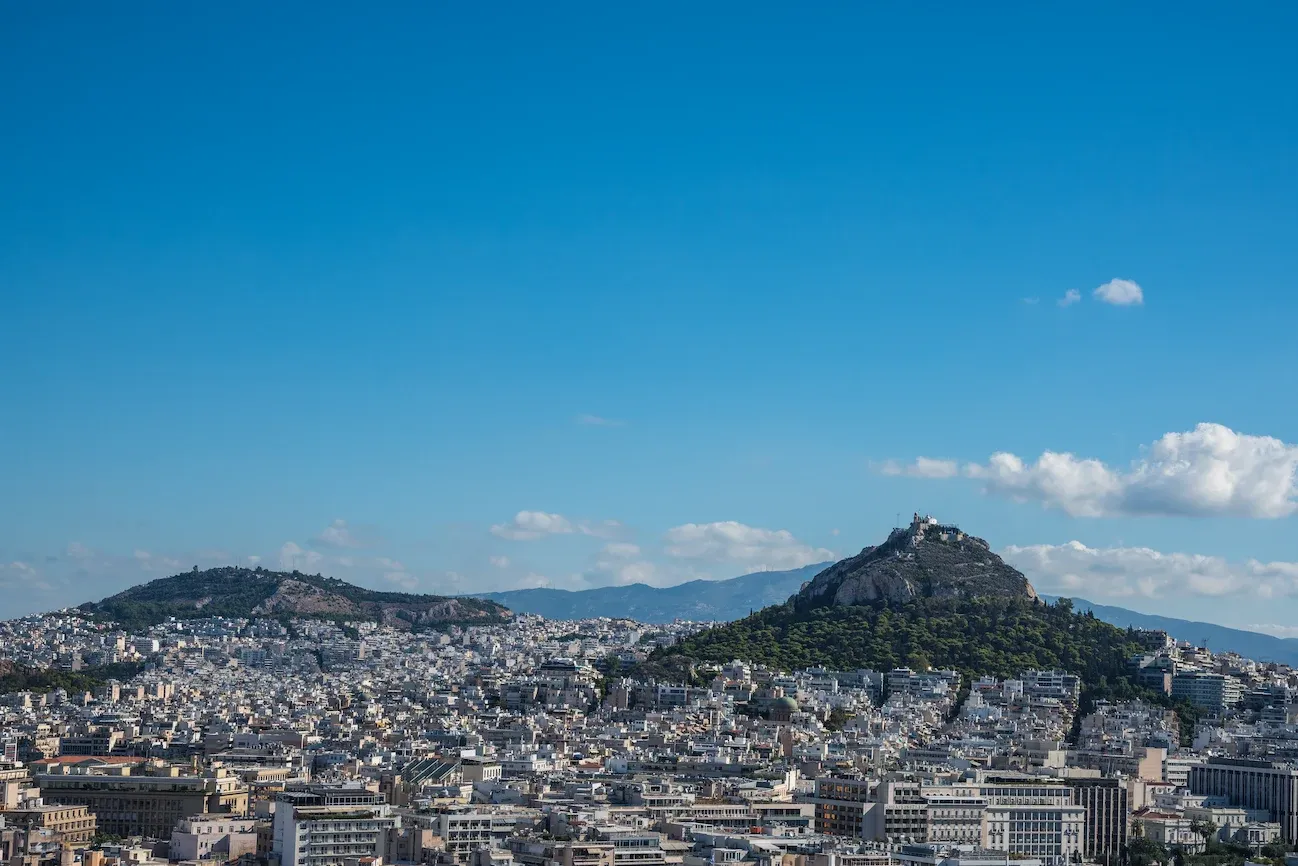
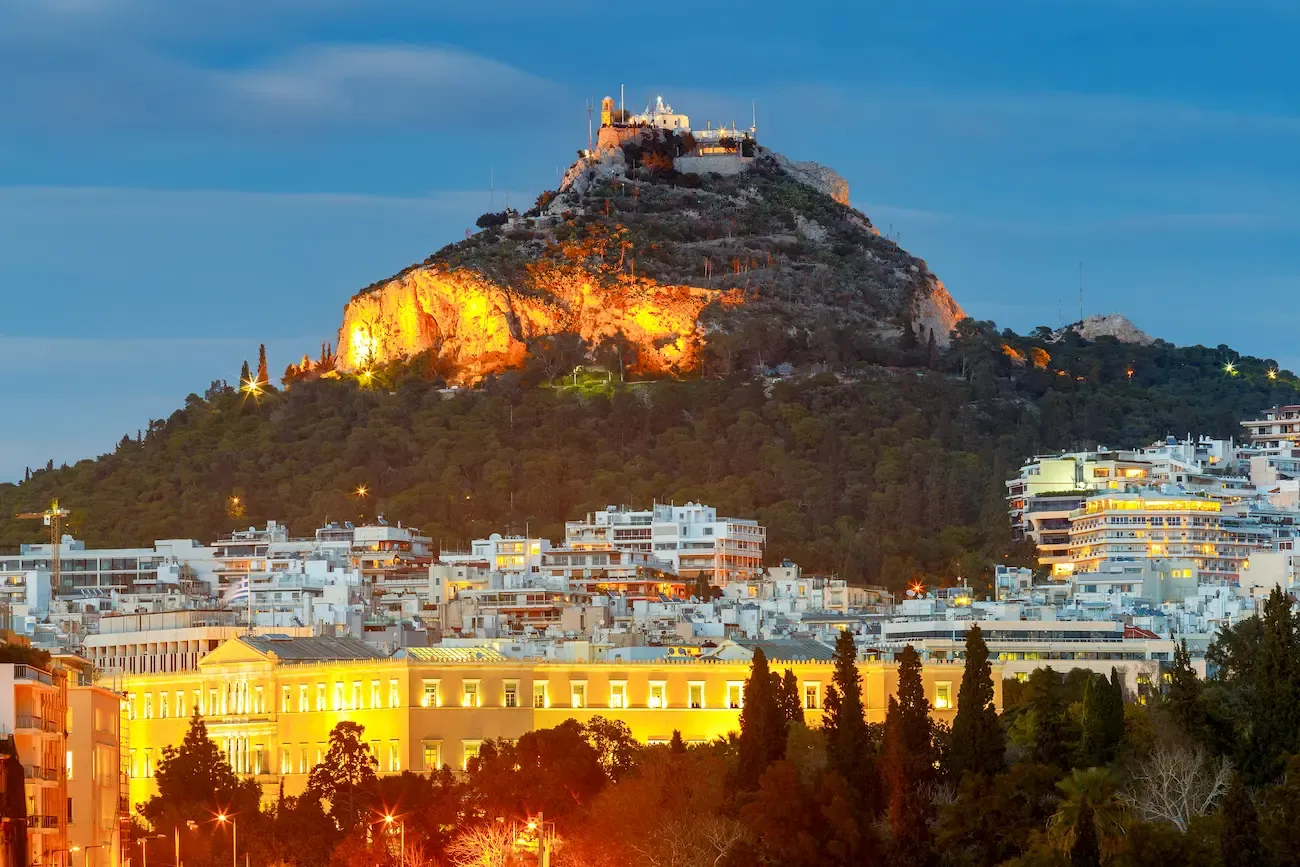
By day three, the rooftop bars come into sharper focus, the bustling Varvakios fish market on a Tuesday morning becomes fascinating in a way no monument ever could, and climbing Lycabettus hill at six in the evening starts to mean something more than just "a hill with a view."
By day four, Athens reveals its alter-ego: the base camp. This is when the Saronic ferries, the road to Delphi, and the southern coast all become accessible extensions of the city.
For the full range of experiences the city offers beyond this five-day frame, see our guide to the best things to do in Athens.
Day 1, ancient Athens and the Acropolis
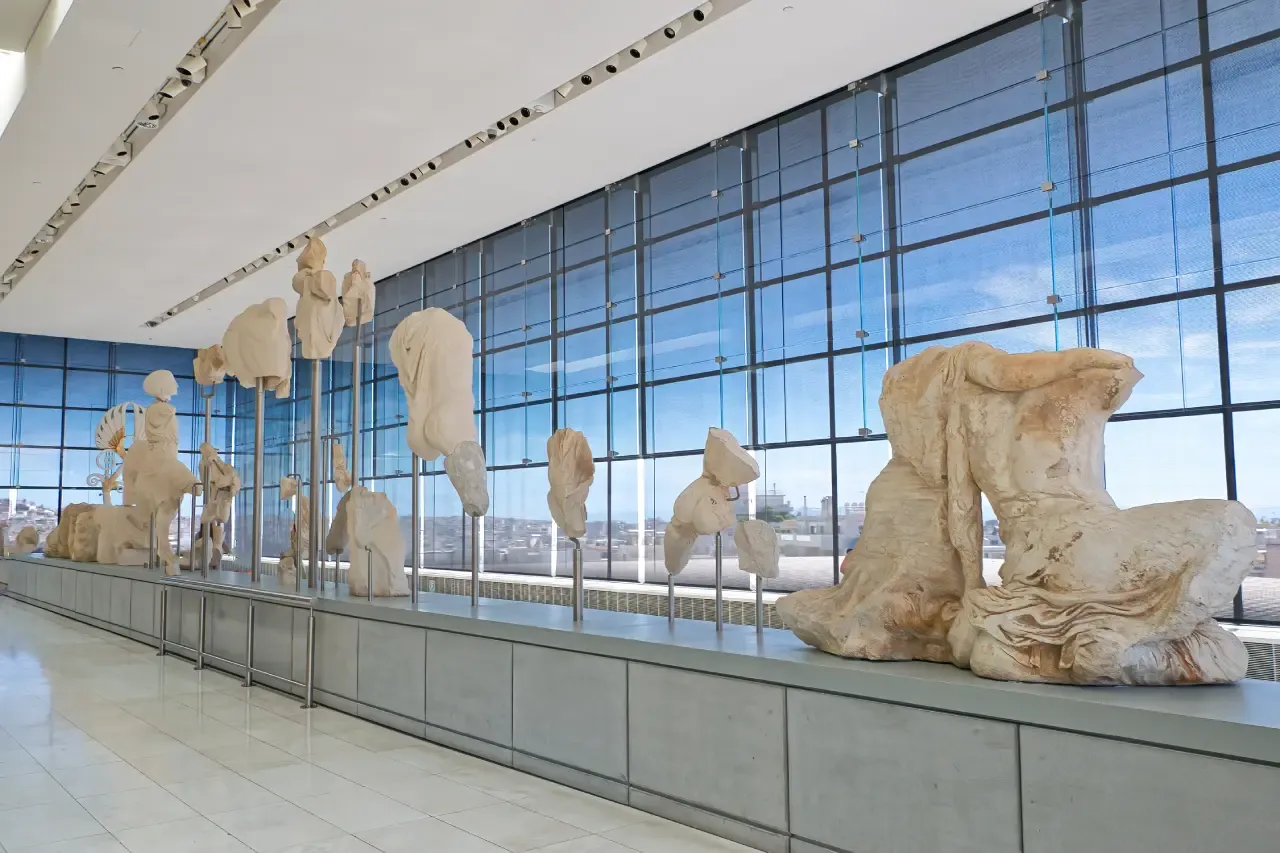
Day one belongs to the rock. Acropolis at opening. Acropolis Museum mid morning. Ancient Agora after lunch. Plaka after dark.
The Acropolis at opening
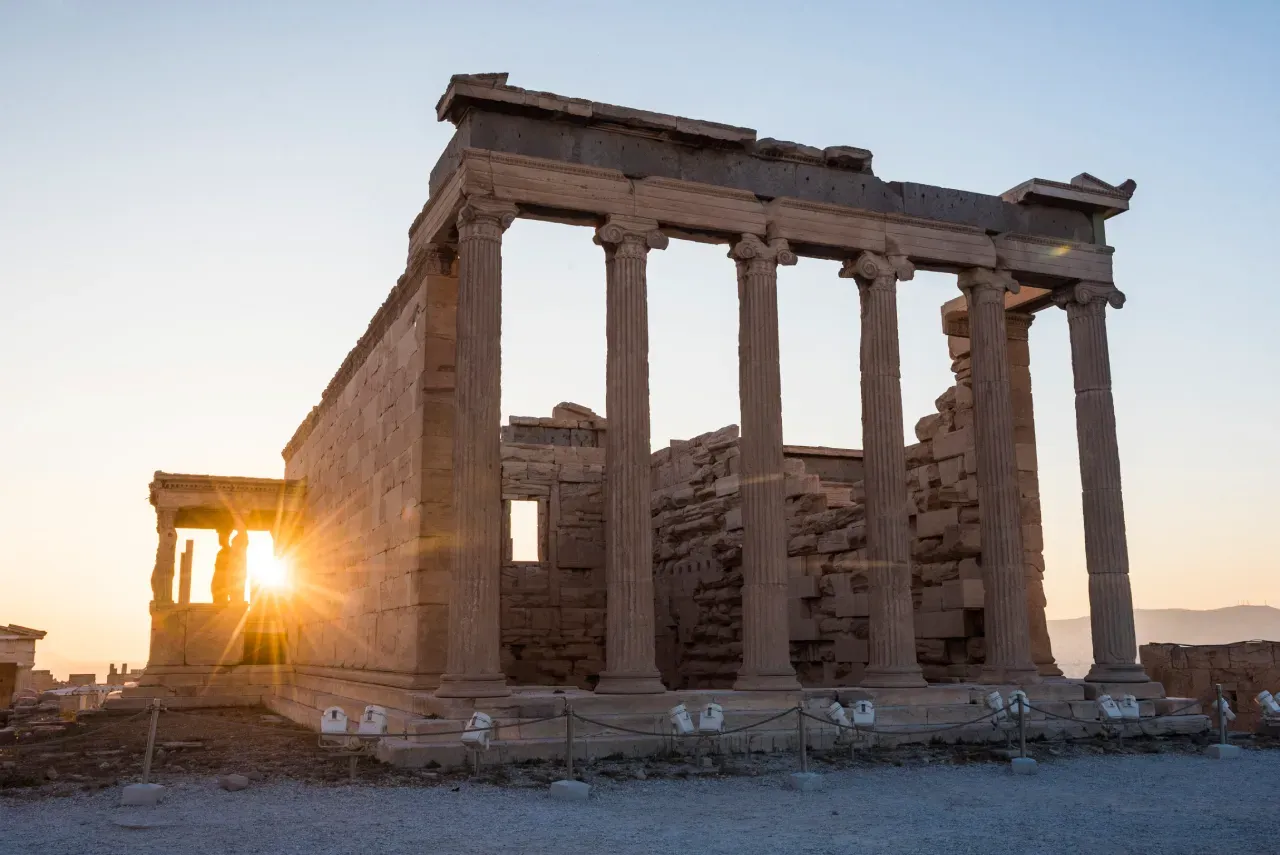
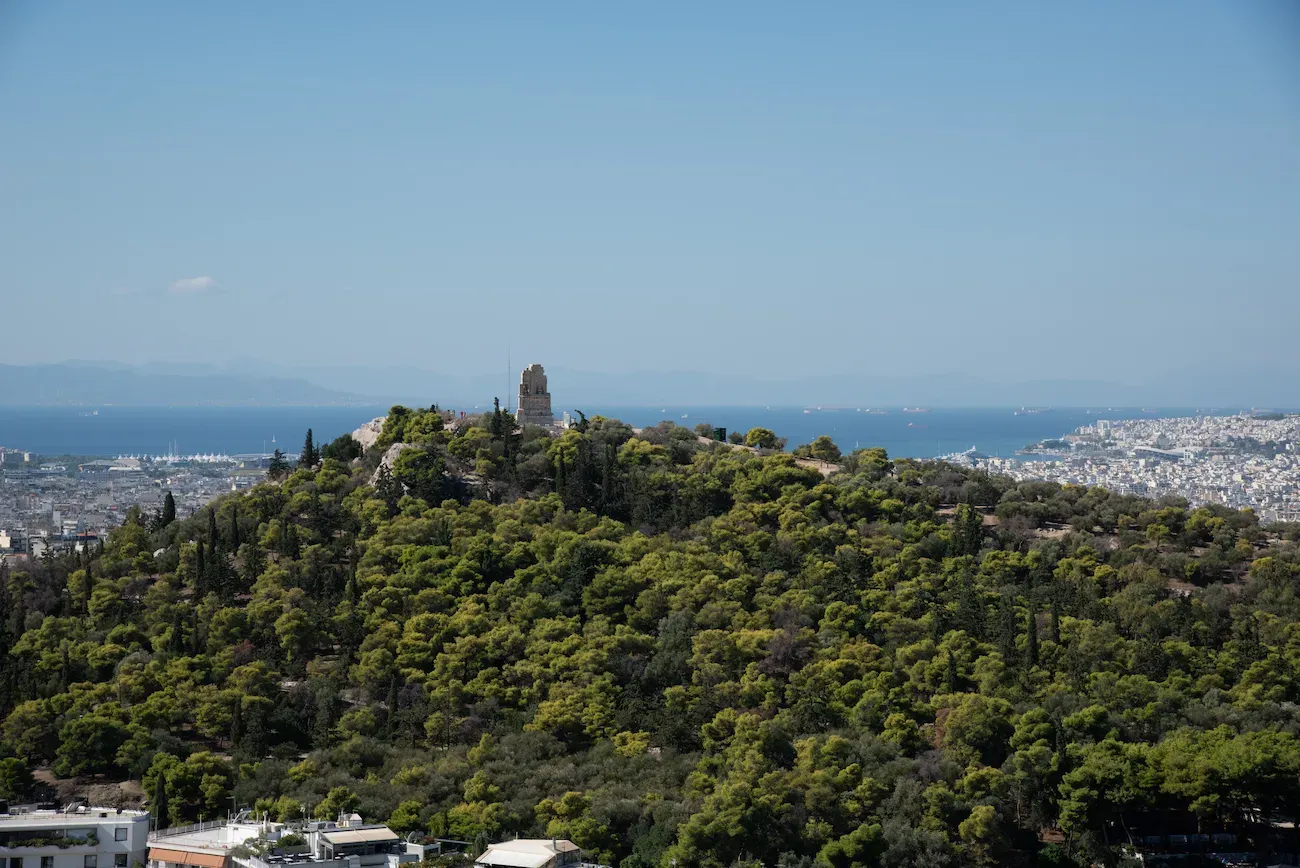
Show up around 8:00 AM. You want to be inside before the cruise ship groups land and, most importantly, before that ancient marble heats up. The Propylaea sets a majestic tone right out of the gate. You'll find the Temple of Athena Nike on your right, the imposing Parthenon on the ridge, and the Erechtheion with its iconic caryatid porch on your left. Crucial Warning: Count on spending about 90 minutes inside. The path uses uneven marble that turns treacherous and slippery in light rain, making flat shoes with a solid grip absolutely non-negotiable. The climb from the entrance to the summit covers roughly 80 meters of elevation, modest for most travelers, but vital to know if bad knees are an issue.
Day 2, neighborhoods, museums and the central market
Day two trades the ancient skyline for street level Athens. Markets, museums, lunch in a neighborhood that does not appear on most maps.
Monastiraki and the central market
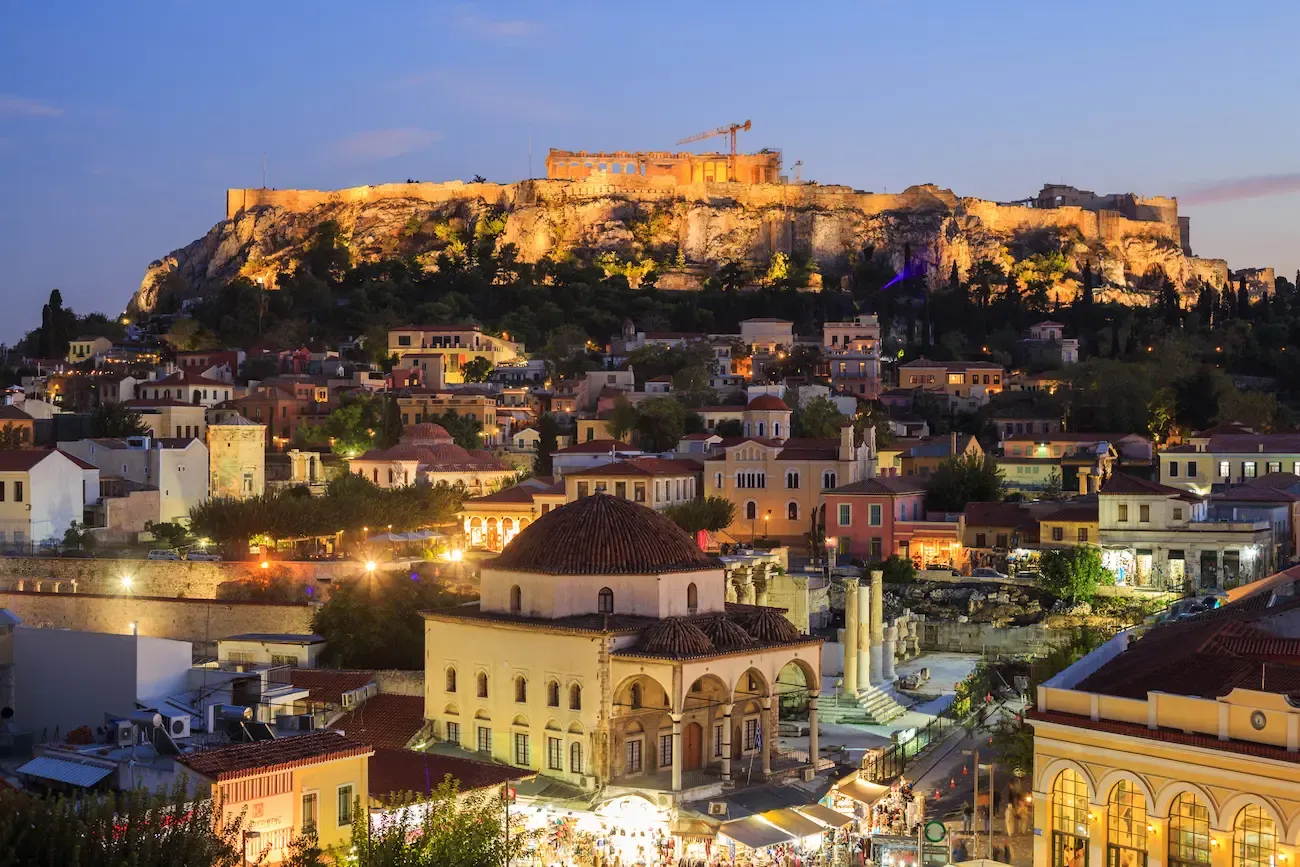
Start your journey at the vibrant Monastiraki Square. With a small Ottoman mosque anchoring one side and a bustling metro station on the corner, it is the undeniable beating heart of the area. If you happen to be here on a weekend, let yourself drift into the famous flea market that fans out into the antique-filled Avissinias Square.
From there, head up Athinas Street until you hit the Varvakios Central Market. The fish hall is wonderfully loud and delightfully theatrical, while the meat hall is decidedly not for the squeamish.
Day 3, viewpoints, Kolonaki and Lycabettus Hill
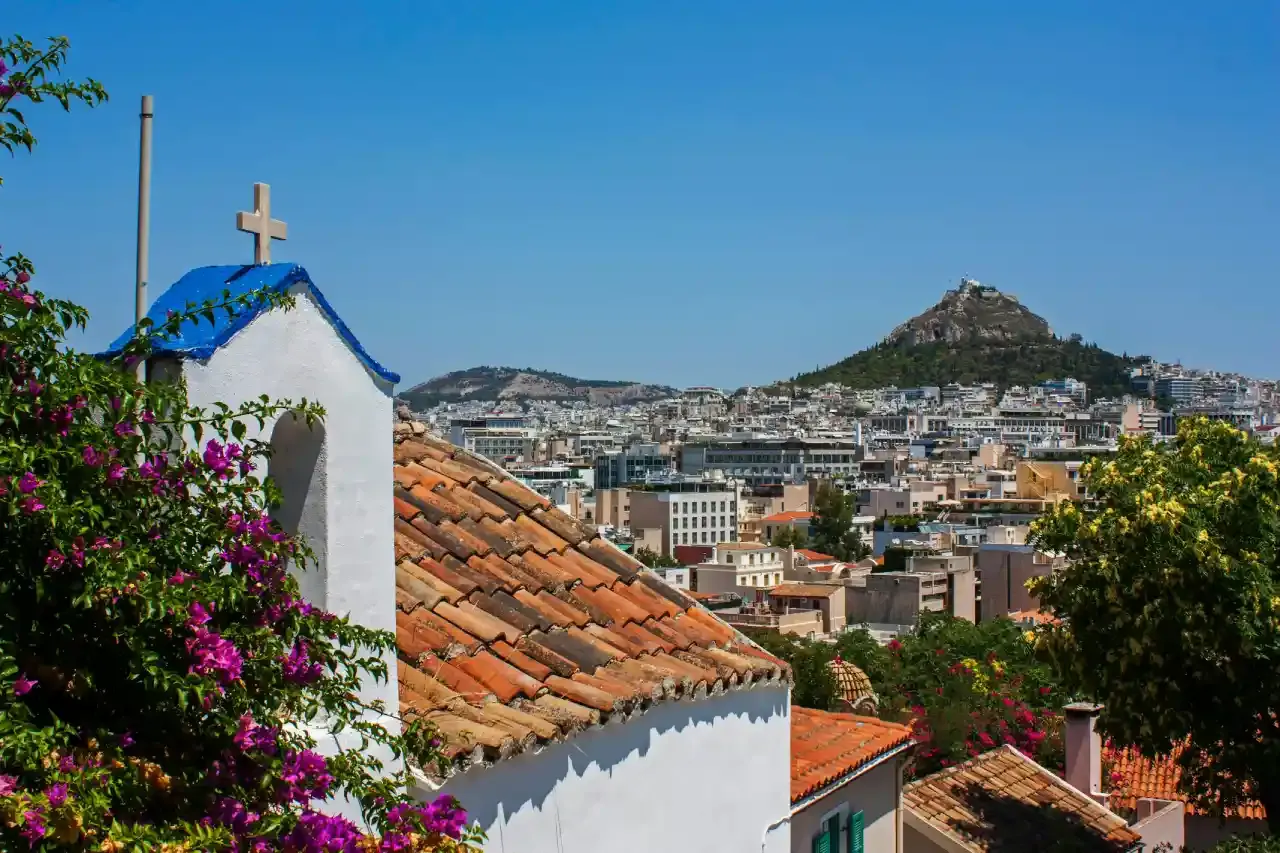
Day three flattens the pace. Mornings outside the ancient core. Afternoon in Kolonaki. Evening on the highest hill in central Athens.
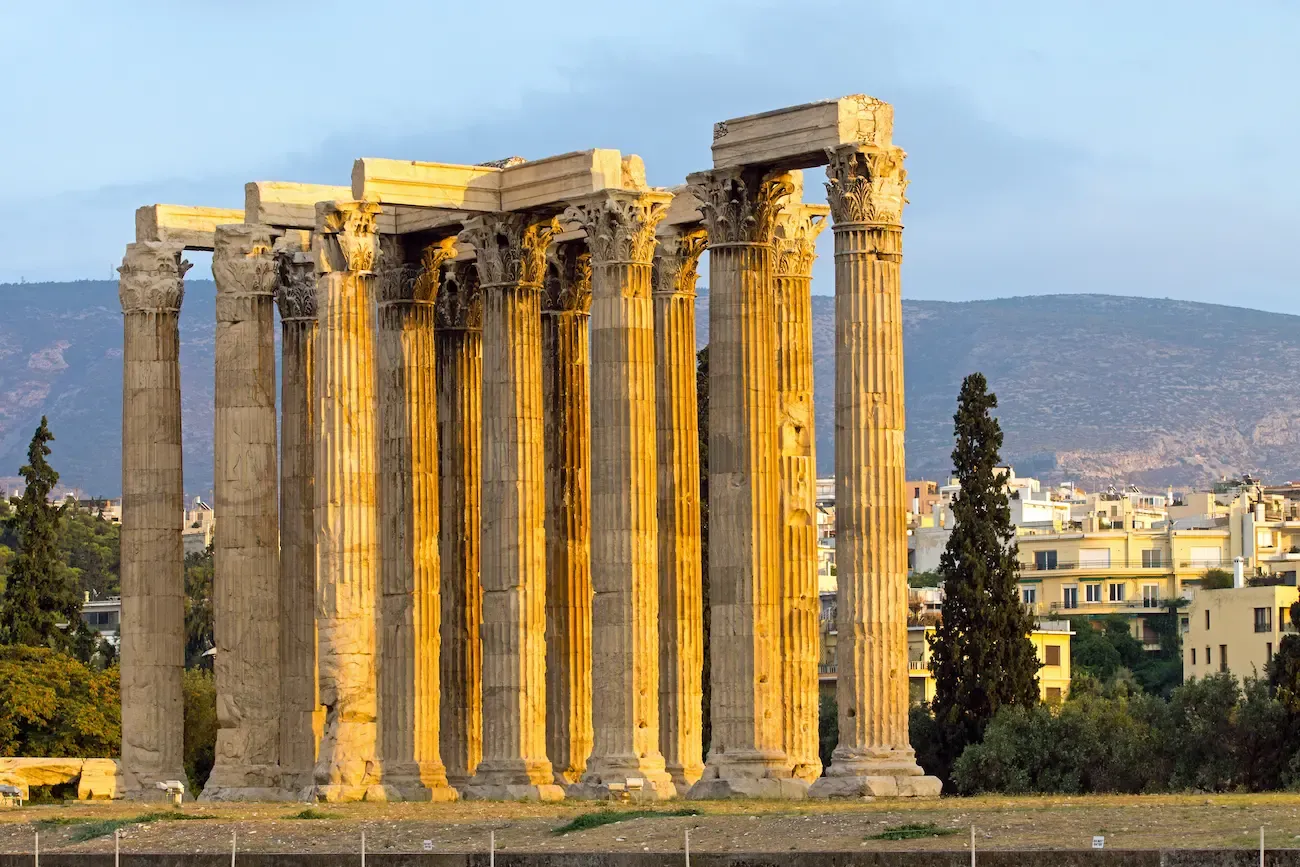
Temple of Olympian Zeus and Panathenaic Stadium
Start your day on the eastern edge of the ancient quarter at the awe-inspiring Temple of Olympian Zeus, framed by the grand Hadrian's Arch. The temple boasts a fascinating history of ancient procrastination, it sat stubbornly unfinished for nearly seven centuries until the Roman Emperor Hadrian finally saw it through to completion.
Just a quick ten-minute walk east brings you to the Panathenaic Stadium. This is hallowed ground: the glorious venue that proudly hosted the very first modern Olympic Games in 1896. Best of all? You are actually allowed to step down onto the track and walk it yourself.
Day 4, a day trip from Athens
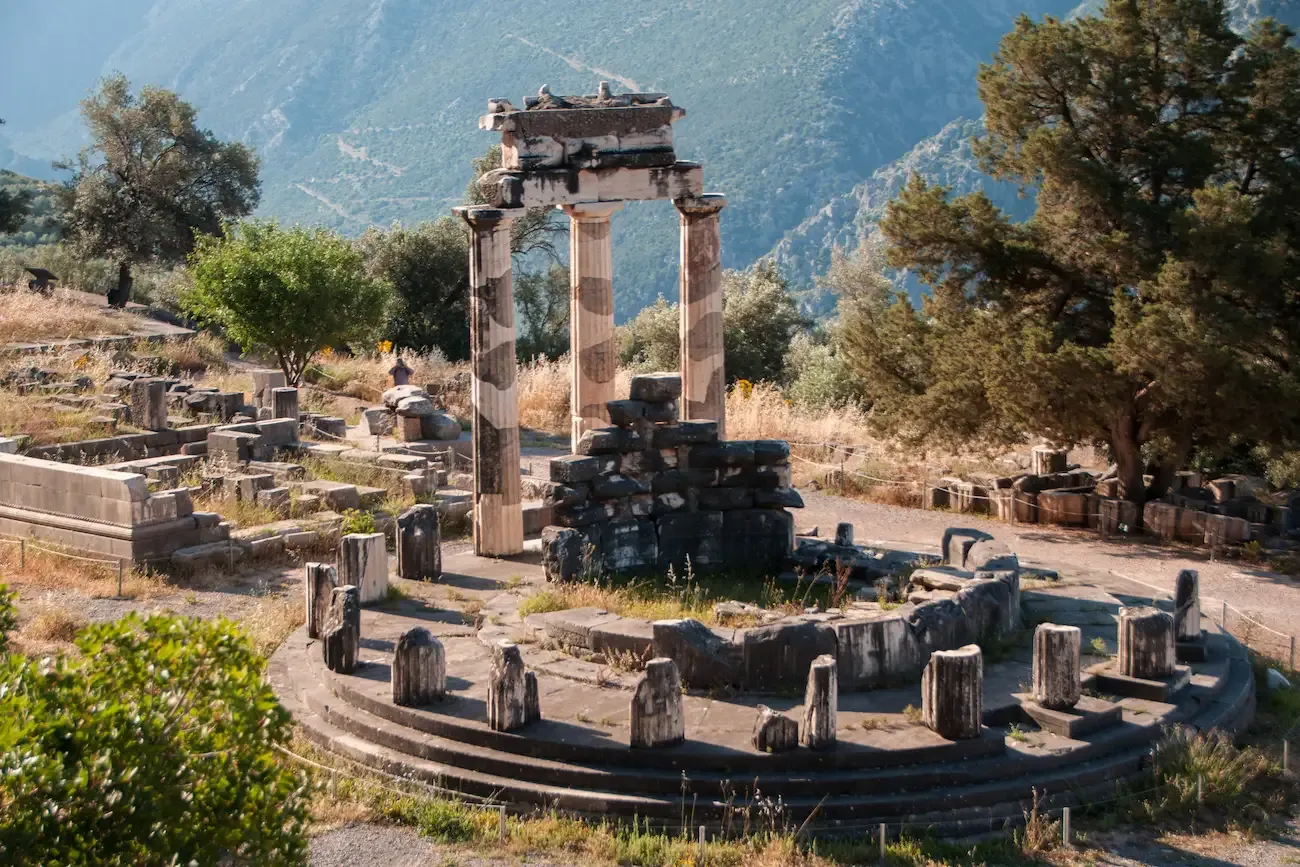
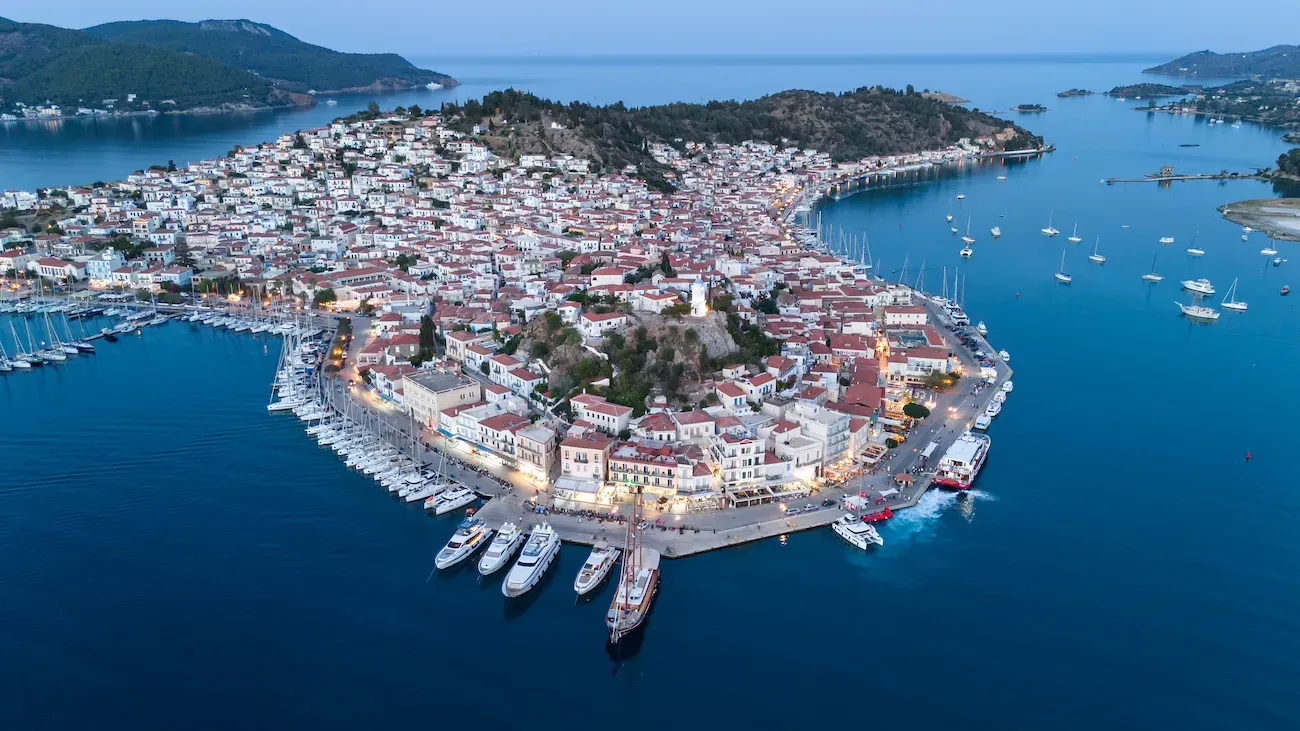
Day four leaves the city. Three good options, each suited to a different kind of traveler. Pick one and commit. Half measures spoil the day.
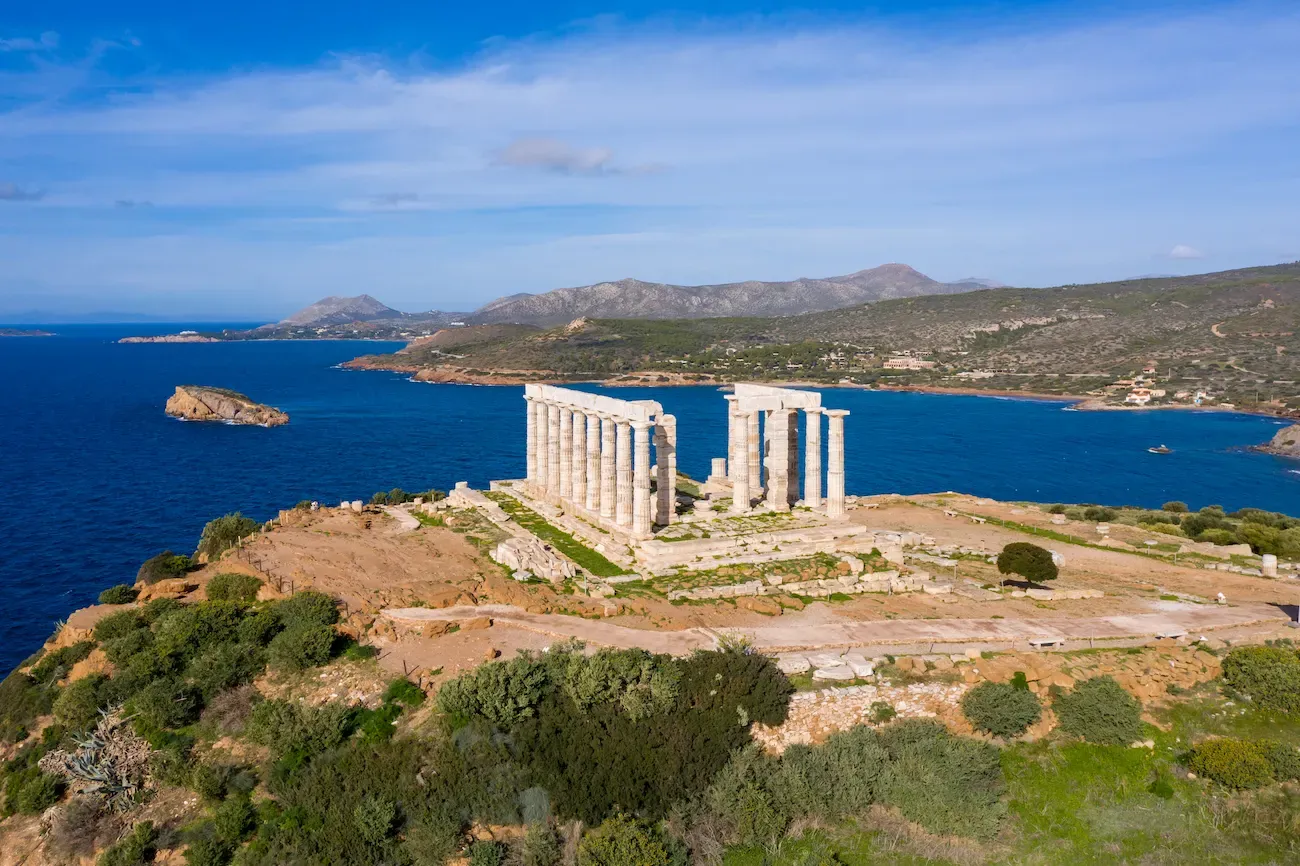
Cape Sounion and the Temple of Poseidon
As the most accessible option of the three, Cape Sounion sits just 70 kilometers south of Athens. The journey itself is half the magic: a highly scenic, 90-minute drive winding down the spectacular coastal road known as the Athens Riviera.
Your destination is the breathtaking Temple of Poseidon, perched dramatically on a rugged cliff 60 meters above the crashing Aegean Sea. Today, 15 of its original 34 towering Doric columns still stand proudly against the coastal winds.
Day 5, slower Athens and a final evening
Day five is for the version of Athens that does not appear in a guidebook.
Morning, a residential neighborhood
Two good options. Pangrati, east of the National Garden, a residential area near the Panathenaic Stadium where cafes fill with Athenians and bakeries open at six. Or a deeper walk through Koukaki, on the southern slopes of the Acropolis, with hidden stairways climbing toward the rock that most visitors miss.
Midday, the Athens Riviera
The tram south from Syntagma reaches the coast in about forty minutes. Vouliagmeni Lake is a thermal lake fed by mineral springs, warm year round and edged by cafes. Glyfada has a longer beach and a noisier crowd. Swim. Lunch. Tram back. A deliberate change of register before the final evening.
Afternoon, a food tour or a cooking class
A guided food tour around the central market, or a small group cooking class with a market visit beforehand, provides the connective tissue between everything else seen during the week. Spanakopita. Dolmades. Fresh tzatziki. The difference between supermarket feta and the cheese a local buys at the corner shop on Saturday. The day ends in a kitchen rather than another archaeological site. Part of the point.
Evening, a final dinner
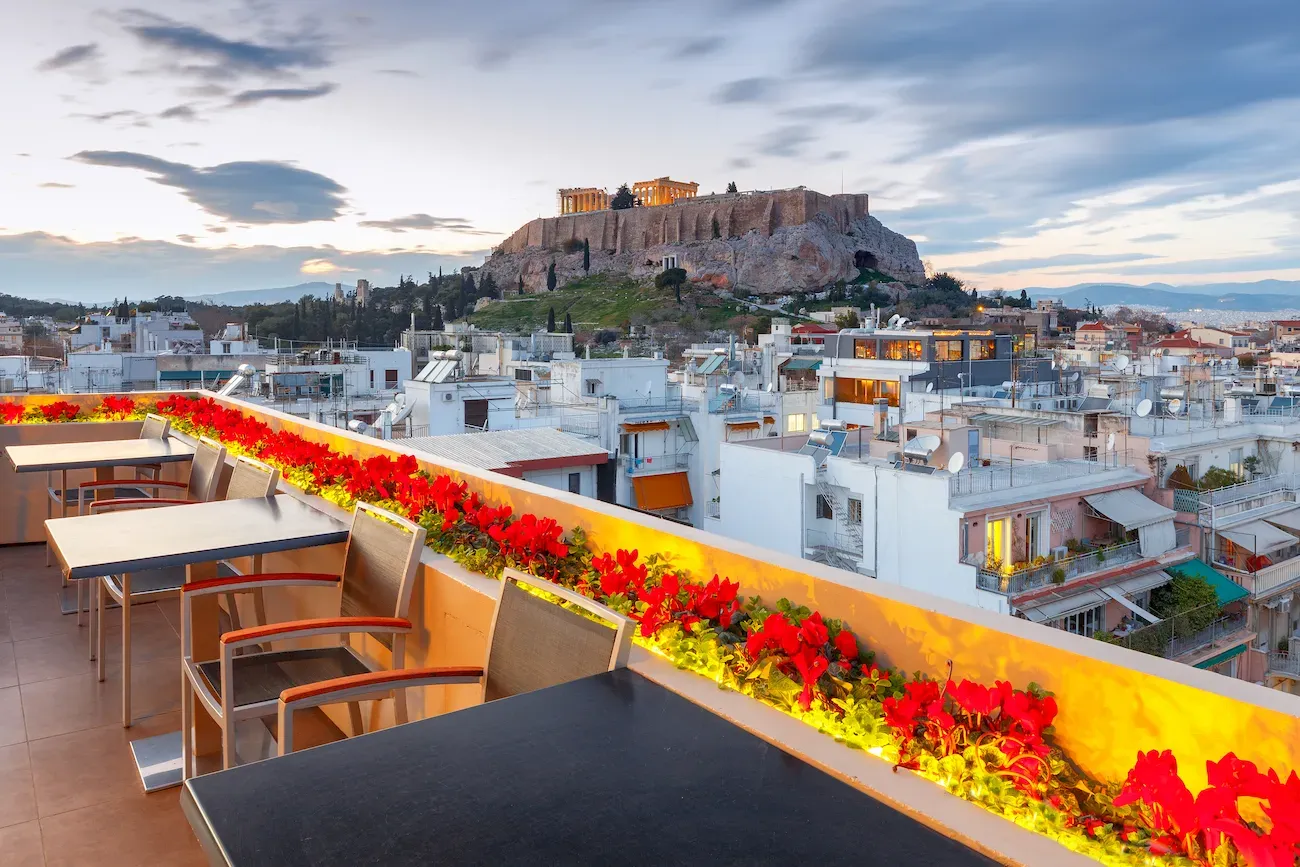
The closing dinner deserves an Acropolis view. Rooftop tables in Plaka, Monastiraki or Psyrri serve mezze platters while the rock is lit. Stay later than usual. Walk back through Plaka. Take a slow path home.
Where to stay for a 5 day visit?
Pick the neighborhood before the hotel. Four areas suit a first visit, each with its own register:
- Plaka sits directly under the Acropolis. It is the prettiest old quarter, all cobblestone lanes and neoclassical houses, tavernas under bougainvillea, postcard from any angle. Day tourism is heavy here. That is the trade off. Plaka rewards visitors who want to be inside the postcard at breakfast and dinner without minding the crowd in between.
- Koukaki, on the southern slope of the Acropolis, has quietly become the neighborhood Athenians point visitors toward when they want them to like the city. Residential calm. Bakeries that open at six for actual locals, not for travelers. About ten minutes uphill from the Acropolis entrance, with Acropoli station at one edge.
- Monastiraki suits energetic travelers and people who want fewer cabs. It is the transport hub, with metro lines crossing under the square, the flea market a step away, rooftops over the Acropolis, and a buzz from morning into the small hours. Light sleepers should book back from the square.
- Kolonaki sits at the foot of Lycabettus Hill and feels like the city's most polished area. Designer windows. Embassies. Cafes with white tablecloths and the kind of waiters who pour wine without asking. Quieter, a touch more expensive in feel, fifteen minutes' walk from Syntagma for travelers who want the calm side of Athens after a busy day.
How to get around Athens
Athens runs on a compact three line metro plus a tram and a network of buses. Walking handles most of the central monument cluster.
- Line M1, the green line, runs from Piraeus through Monastiraki to Kifissia in the northern suburbs.
- Line M2, the red line, anchors most monument visits. Akropoli station opens onto Dionysiou Areopagitou Street, three minutes from the Acropolis entrance and the Acropolis Museum.
- Line M3, the blue line, connects Syntagma to the airport and serves Evangelismos for Kolonaki.
- The tram links Syntagma with the Athens Riviera beaches at Glyfada and Voula.
- A multi day transport pass covers metro, tram and bus on a single ticket, available at any metro station vending machine.
Walking distances inside the historic triangle of Plaka, Monastiraki and Syntagma all sit under fifteen minutes. Most days in this itinerary work on foot.
When to visit Athens for a 5 day trip?
Two shoulder windows stand out across the year, plus one serious caveat about summer.
- April and May feel close to ideal. Temperatures climb from comfortable into warm. Wildflowers on Filopappou and Lycabettus are still in bloom. Acropolis crowds have not yet peaked. Easter falls inside this window in most years, which brings beautiful processions in Plaka but also closes most museums on the main holiday weekend.
- September and October hold up as the other strong window. The sea stays warm enough for swimming through October. The air loses its August edge by mid September. Cruise traffic thins after the school year starts. While some travelers prefer to wait and explore off-season winter activities when the temperatures drop further, this early autumn combination of weather, opening hours and crowd density tends to be the sharpest of the calendar year. schedules peak.
- Summer is doable but expensive on energy. July and August routinely reach the high thirties Celsius. The marble underfoot turns searing by mid morning. Cruise schedules peak. A traveler set on summer needs to push the day earlier, finish the Acropolis by ten, and treat the afternoon as a pool or museum window. Whether you are planning your July itinerary to catch the mid-summer festivals or looking for the best late-summer activities in August to escape the heat, balancing your outdoor sightseeing with indoor air conditioning is essential. The key is simply knowing how to pace your days like a local.
What to pack for Athens?
Athens does not demand a heavy bag, but a few items earn their place.
- Walking shoes with real grip. Marble at the Acropolis turns slick in light rain.
- A modest layer if any day trip includes a monastery, particularly Hosios Loukas or other religious sites near Delphi.
- A wide sun hat from May through September. Shade on the rock is minimal.
- A refillable water bottle. Public fountains in central Athens are safe.
- A thin cotton scarf, useful for sun and for cooler evenings from October.
- A small day pack rather than a single shoulder bag. The Acropolis path is uneven.
One practical detail. Plumbing in older buildings asks visitors to put paper in a bin rather than flush. Normal across Greece, not a fault of the building.