Entry Tickets in Athens, Greece
Athens packs the legacy of classical Greece into a compact centre where most highlights sit within a short walk of one another. To fully enjoy everything the city has to offer, you should book your tickets in advance.
Top experiences in Athens
What can you see at Athens?
Acropolis and Parthenon
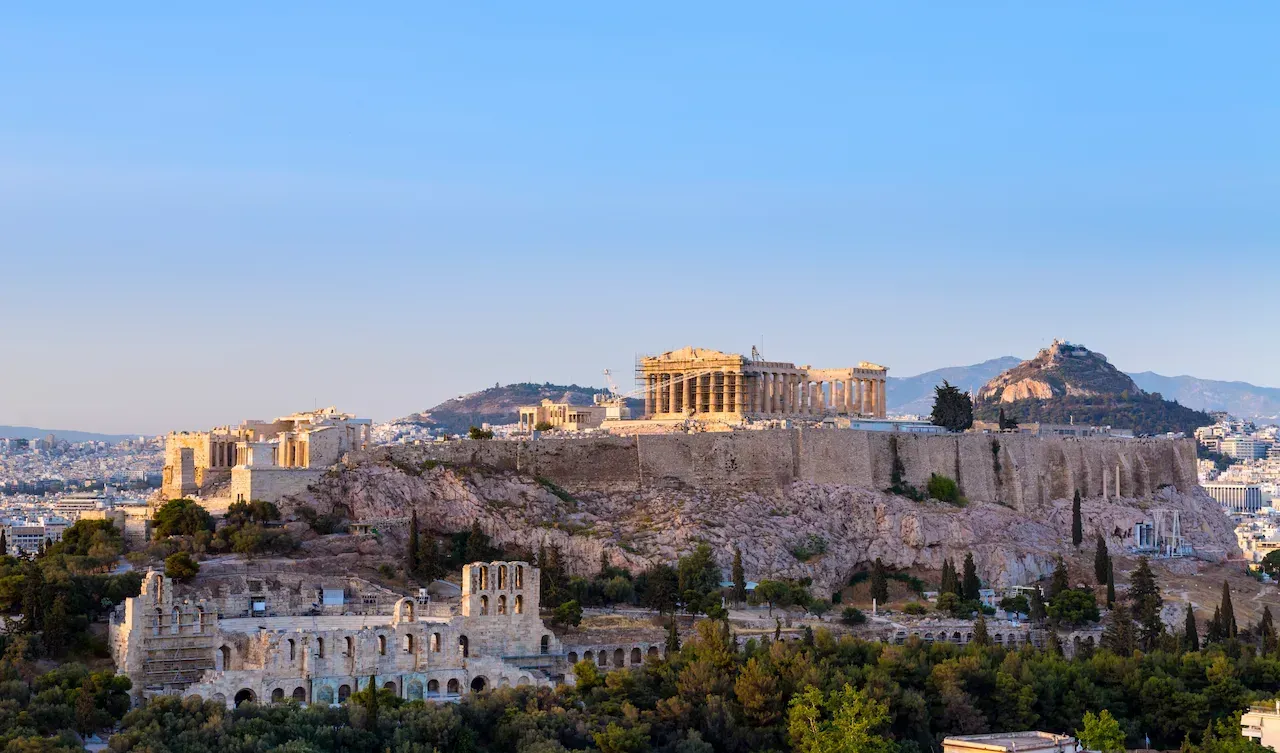
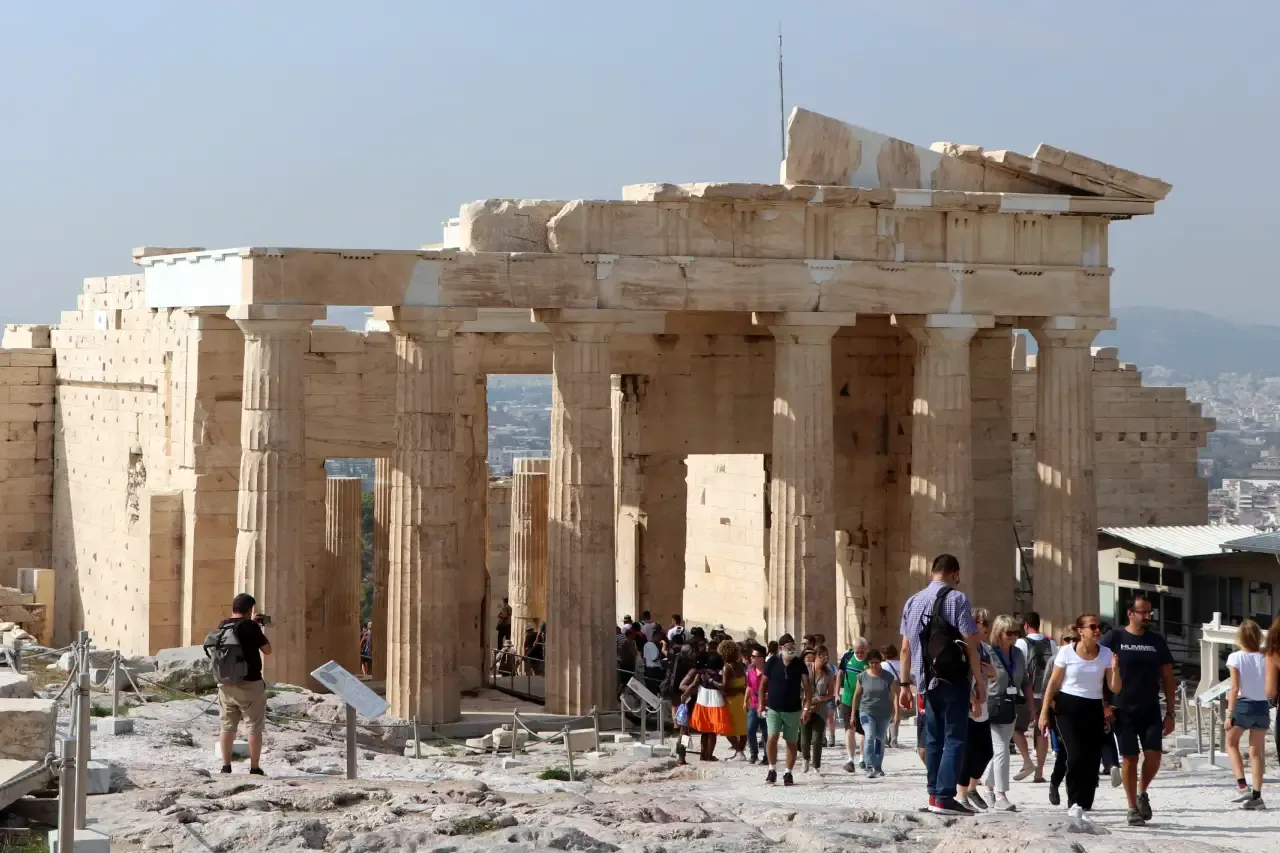
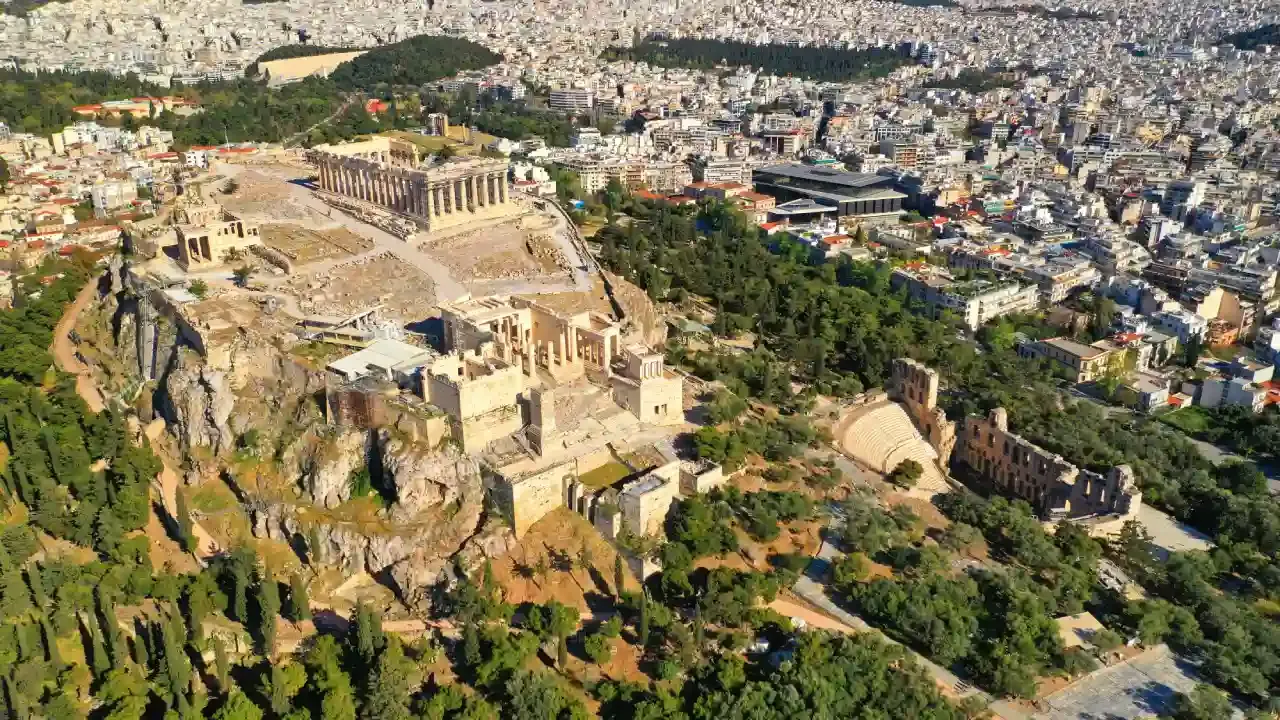
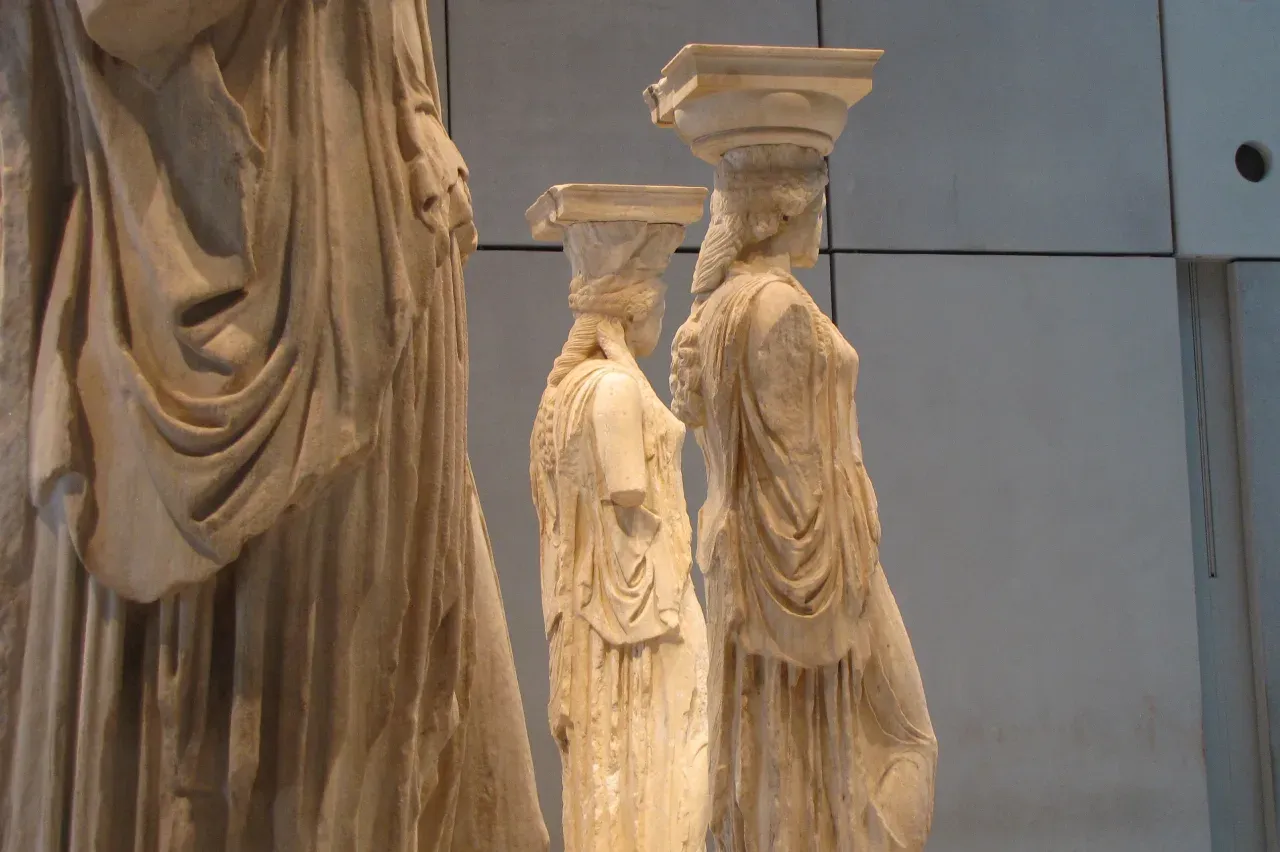
The Acropolis rises about 150 metres above the city and groups together the Parthenon, the Erechtheion with its Caryatid porch, the Temple of Athena Nike, and the monumental Propylaea gateway. The Theatre of Dionysus and the Odeon of Herodes Atticus sit on the South Slope, both included in the same site ticket. Entry to the rock has used timed slots since 1 April 2024, with admission valid from 15 minutes before to 15 minutes after the chosen window for the Acropolis itself, and a looser margin for the surrounding sites. Most visitors come up the Dionysiou Areopagitou pedestrian street and follow the western ramp through the Propylaea.
.webp)
General information for visitors
- Acropolis time slots. Since 1 April 2024 the Acropolis only admits visitors within a chosen time window. The standard winter slots are 08:00–10:00, 10:00–12:00, 12:00–14:00, and 14:00–17:00, with longer windows in summer. The ticket is valid for entry from fifteen minutes before to fifteen minutes after the selected slot, with one exception: the last slot of the day only allows entry during its first thirty minutes, so a 14:00–17:00 slot only admits visitors up to 14:30. The other sites in the combined ticket are flexible across the same day.
- Seasonal hours at the Acropolis. The Acropolis opens daily at 08:00 year-round, with a gradual closing-time taper between summer and winter: April–August 08:00–20:00 (last entry 19:30); 1–15 September 08:00–19:30 (last entry 19:00); 16–30 September 08:00–19:00 (last entry 18:30); 1–15 October 08:00–18:30 (last entry 18:00); 16–31 October 08:00–18:00 (last entry 17:30); November–March 08:00–17:00 (last entry 16:30).
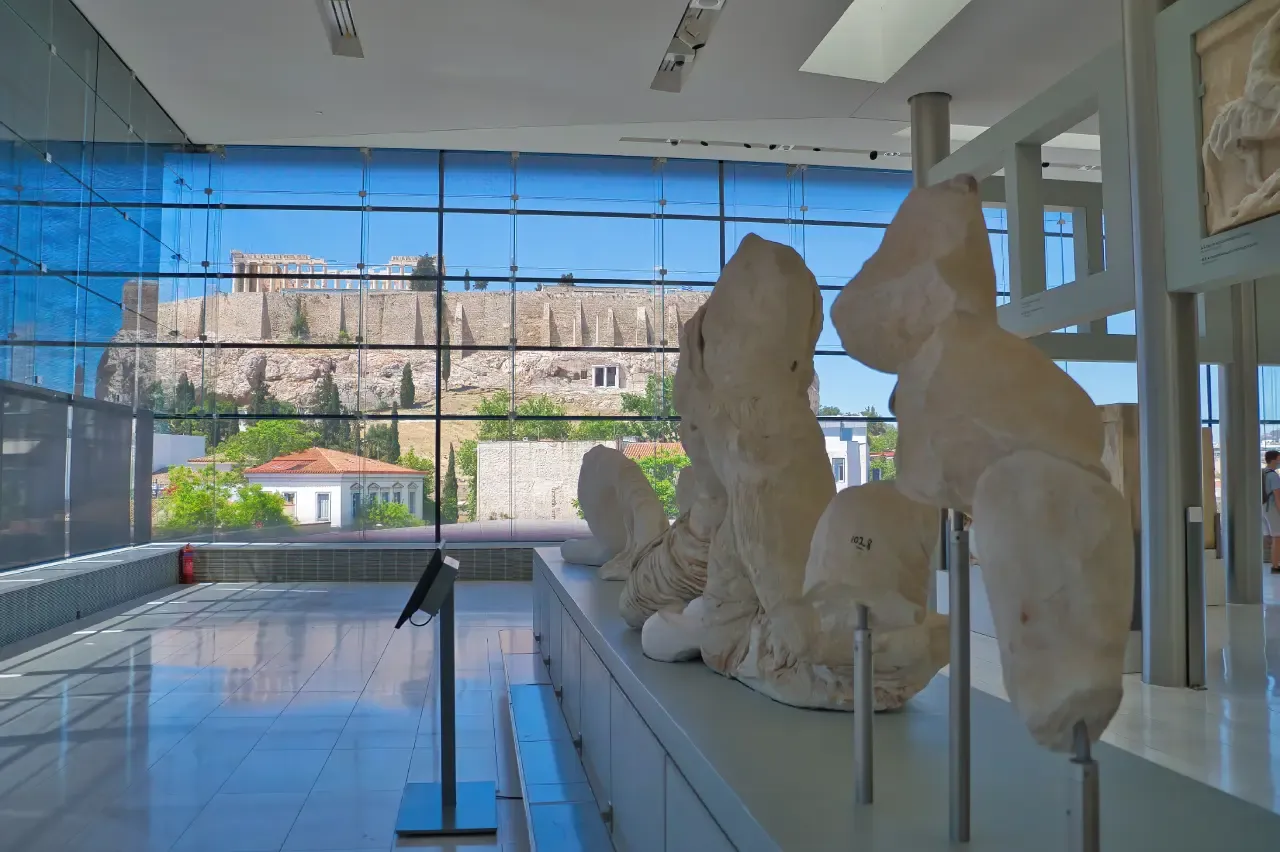
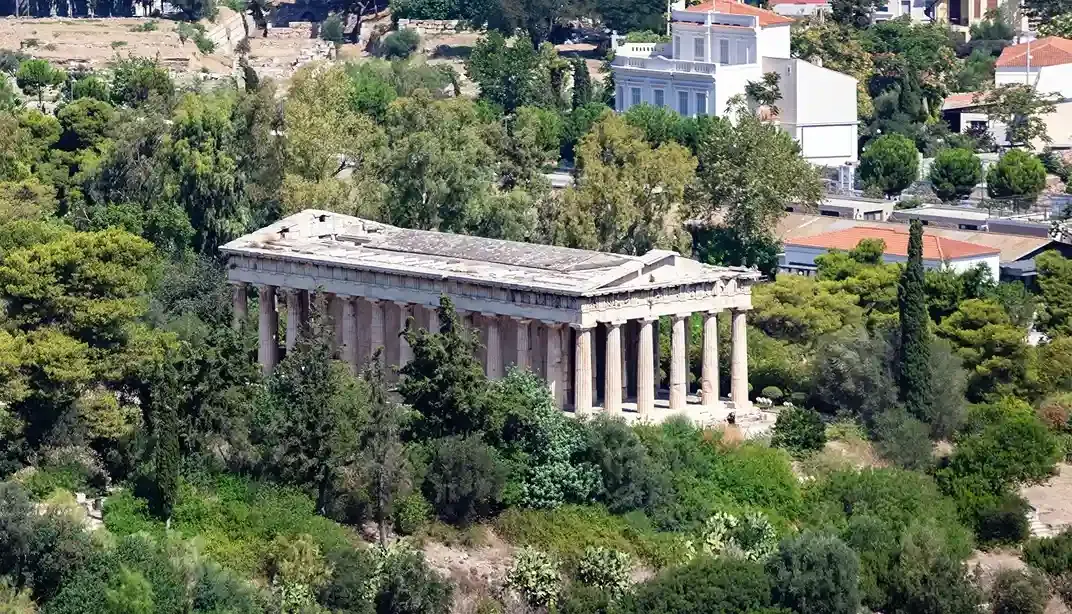
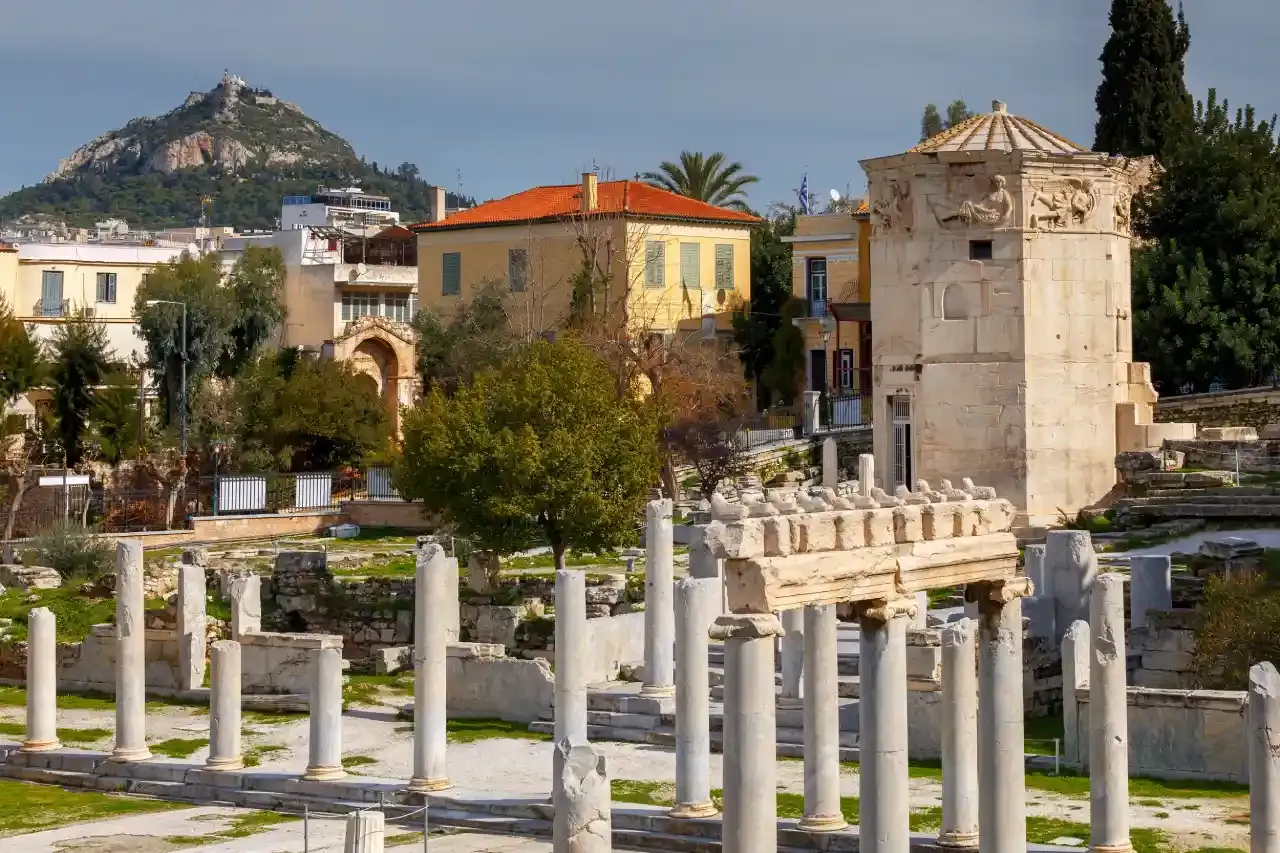
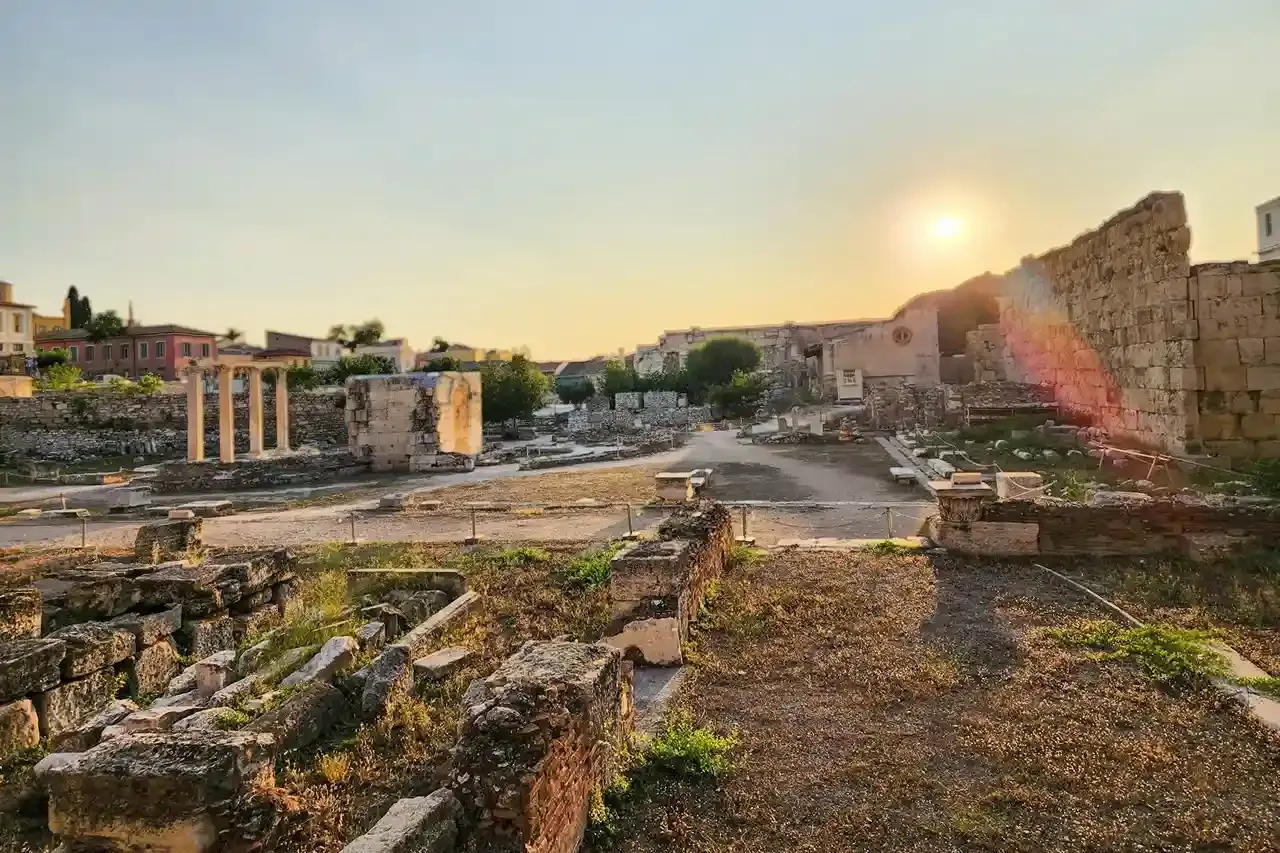
- Seasonal hours at the other sites and museums. The smaller archaeological sites, the Olympieion, the Roman Agora, Hadrian's Library, Kerameikos, and the Lyceum, close at 15:00 from 1 November to 31 March (last entry 14:30) and follow longer hours in summer. The Acropolis Museum opens at 09:00 daily and closes earlier on Mondays (17:00) than on the rest of the week (20:00, with Fridays extending to 22:00 year-round); winter Saturdays and Sundays close at 20:00. The National Archaeological Museum and Panathenaic Stadium each publish their own schedule and stay open year-round.
- Free admission days. State-run archaeological sites and museums grant free admission on the first Sunday of every month from 1 November to 31 March, and on 6 March (Melina Mercouri Memorial Day), 18 April (International Day for Monuments and Sites), 18 May (International Museums Day), the last weekend of September (European Heritage Days), and 28 October (Ochi Day). The Acropolis Museum, run by an independent foundation, applies its own list: 6 March, 25 March, 18 May, and 28 October. These dates draw heavy crowds; arriving at opening time is the easiest way to avoid queues.
- Skip-the-line claims. The Greek Ministry of Culture has warned against advertisements promising "skip-the-line" entry to the Acropolis: no such bypass exists for the security and ticket check at the gate. A timed-slot ticket bought in advance is the only way to avoid the on-site purchase queue.
- Heat and dress. The Acropolis sits on bare limestone with no shade. In July and August the site is sometimes closed in the afternoon for visitor safety during heatwaves. Sturdy shoes with grip are essential because the marble pavement of the Propylaea and the upper plateau is famously slippery.
- Getting there. Akropoli station on Metro Line 2 (the red line) sits 130 metres from the Acropolis Museum and a short walk from the southern entrance to the rock. Bus lines 040, 230, A2, A3, and B2 stop at Makrygianni, also close to the site. Syntagma to the Acropolis is a fifteen-to-twenty-minute walk down Dionysiou Areopagitou.